
These Boston travel tips cover the details that make the difference between a frustrating trip and a smooth one. The MBTA gets you far, but it shuts down around 12:30 a.m., so late-night plans need a backup. Knowing which neighborhoods to base yourself in, how to use a CharlieCard, and where the free options are will save you real money.
Key facts at a glance
- The MBTA CharlieCard costs $2.40 per subway ride; a paper ticket costs $3.40. Buy a CharlieCard at any staffed station or at mbta.com.
- Logan International Airport (BOS) sits 3 miles from downtown. The Silver Line SL1 bus runs free from Logan to South Station for outbound passengers.
- The MBTA subway runs from approximately 5:00 a.m. to 12:30 a.m. daily. After that, rideshare is your main option.
- Boston's coldest months are January and February, averaging 29°F to 36°F. Pack layers even in April, when temps range between 39°F and 55°F.
- The Freedom Trail is a 2.5-mile walking route connecting 16 historic sites. It costs nothing to walk and starts at Boston Common, Tremont Street.
- A 7-day MBTA LinkPass costs $22.50 and covers unlimited subway and local bus rides. Buy it at any CharlieCard kiosk.
- Boston's Blue Bikes bikeshare network has 400+ stations. A single 30-minute ride costs $3.99; a day pass costs $15. See Blue Bikes for station maps.
- Sales tax in Massachusetts is 6.25%. Restaurant meals carry an additional 0.75% local meals tax in Boston, bringing the total to 7%.
Getting from Logan Airport into the city
The Silver Line SL1 is the cheapest airport transfer option in Boston. You board at any terminal, ride to South Station on the Red Line, and pay nothing if you're heading outbound from the airport. From South Station, the Red Line connects you to Downtown Crossing, Park Street, and Cambridge in under 15 minutes.
Taxis from Logan to downtown typically run $25 to $35 depending on traffic, and rideshare apps like Uber and Lyft typically quote a similar range for the same trip. The Ted Williams Tunnel can add 10 to 20 minutes during peak hours, so budget extra time if you're catching a flight between 7:00 a.m. and 9:00 a.m. or 4:00 p.m. and 7:00 p.m.
The Blue Line also serves Logan via the Airport station, with a free Massport shuttle connecting terminals to the station. This route takes slightly longer than the Silver Line but drops you at Government Center and Bowdoin, which is useful if you're staying in the North End or Beacon Hill.
Airport transfer options compared
| Method | Cost | Travel time | Best for |
|---|---|---|---|
| Silver Line SL1 + Red Line | Free from airport | 25-35 min to downtown | Budget travelers, South End, Cambridge |
| Blue Line + Massport shuttle | $2.40 with CharlieCard | 30-40 min to Government Center | North End, Beacon Hill stays |
| Rideshare (Uber/Lyft) | $20-$40 depending on traffic | 15-30 min, varies | Late-night arrivals, heavy luggage |
| Taxi | $25-$35 metered | 15-30 min, varies | Groups of 3-4 splitting the fare |
| Water taxi (Rowes Wharf) | $17 per person | 7 min to downtown waterfront | Waterfront hotel guests, scenic arrival |
How the MBTA works for insider tips for Boston visitors
Boston's subway has five color-coded lines. The Red Line runs from Alewife in Cambridge through downtown to Braintree and Ashmont. The Green Line branches into four routes (B, C, D, E) and covers the Fenway, Brookline, and Kenmore areas. The Orange Line connects Jamaica Plain to Malden through Back Bay and Downtown Crossing. The Blue Line links East Boston and Logan Airport to Government Center. The Silver Line operates as a bus rapid transit route, most useful for airport transfers and the Seaport District.
For insider tips for Boston transit, the key rule is this: buy a CharlieCard, not a paper ticket. The $1.00 per-ride savings adds up fast over a multi-day trip. You can load money or a LinkPass onto the card at any kiosk inside a station. The MBTA app also lets you plan trips with real-time arrival data, which matters on the Green Line where bunching is common.
The MBTA does not run 24 hours. Last trains depart around 12:30 a.m. on weekdays and slightly later on weekends, but schedules vary by line. If you're out past midnight in areas like Fenway or the Seaport, plan on rideshare. Uber and Lyft both operate well in Boston, though surge pricing hits hard after Red Sox night games and on weekend nights in the Back Bay.
Neighborhoods worth knowing before you book
Back Bay sits along Boylston Street and Newbury Street and gives you walkable access to the Prudential Center, Copley Square, and the Green Line. Hotels here carry premium pricing, but you trade that for proximity to the best shopping and dining corridors in the city.
Beacon Hill is a 10-minute walk from the State House and Boston Common. The streets are narrow, brick-paved, and not stroller-friendly, but the neighborhood puts you within a 5-minute walk of the Red and Green Lines at Park Street station. Accommodation here leans toward boutique and mid-range options.
The Seaport District, also called the Innovation District, sits across Fort Point Channel from downtown. The Silver Line SL1 and SL2 connect it to South Station in under 10 minutes. Hotels here tend toward premium pricing, and the restaurant scene has grown fast over the past five years. It's a solid base if you're attending events at the Boston Convention and Exhibition Center.
Cambridge, across the Charles River, is a 10-minute Red Line ride from downtown. Staying near Harvard Square or Kendall/MIT gives you a quieter base with good transit access. Rates in Cambridge often run lower than comparable Back Bay properties.
Tips for visiting Boston on a budget
- The Freedom Trail is free to walk. The official guided tour costs $16 for adults, but the red-brick path on the sidewalk guides you without a guide.
- All 17 branches of the Boston Public Library are free to enter. The Copley Square branch has free WiFi, public computers, and rotating art exhibitions.
- The Museum of Fine Arts offers free admission every Wednesday after 3:00 p.m. for Massachusetts residents, and $27 for general adult admission on other days.
- Faneuil Hall Marketplace has no admission charge. The food stalls inside Quincy Market are a cheaper lunch option than most nearby restaurants.
- The Hubway/Blue Bikes day pass at $15 covers unlimited 30-minute rides. For sightseeing loops between the Seaport, North End, and Back Bay, this beats paying for multiple subway trips.
- How to save money in Boston: eat lunch at restaurants that offer prix-fixe lunch menus. Many Back Bay and South End spots charge $20 to $25 for two or three courses at lunch versus $50+ at dinner.
What to know about Boston weather before you pack
Boston weather punishes under-packers. Summers run warm, with July averaging 73°F to 82°F, but sea breezes off the harbor drop temperatures fast in the evening. A light jacket is useful even in August.
Fall is the most popular season for a reason. September and October bring temperatures between 50°F and 68°F, low humidity, and foliage that peaks in mid-October across the Emerald Necklace parks. Hotel demand spikes during Harvard and MIT move-in weekends in early September and during the Head of the Charles Regatta in late October, so book early for those windows.
Winter is cold and occasionally brutal. January averages 22°F to 36°F, and nor'easters can drop 12 to 18 inches of snow in 24 hours. The MBTA runs during storms but delays are common. If you visit between December and March, waterproof boots and a wind-resistant coat are not optional.
Spring arrives late. March still averages 28°F to 45°F, and April can surprise you with cold snaps. By May, temperatures settle into the 50s and 60s, and the city's parks and harbor walks become genuinely pleasant.
Sustainable travel in Boston
Boston's MBTA carries roughly 350,000 subway riders on an average weekday, and choosing the subway over a rental car cuts your per-trip carbon output by an estimated 45% compared to driving solo in urban traffic. The city's Blue Bikes network logged over 1.6 million rides in 2023, and the program continues to expand docking stations into Roxbury, Dorchester, and East Boston, neighborhoods that previously had limited bikeshare access.
The Boston Transportation Department has committed to expanding protected bike lanes along major corridors including Commonwealth Avenue and Tremont Street. For visitors, combining the MBTA with Blue Bikes for short gaps covers most of the city without a car, and the Silver Line SL1 airport transfer eliminates the need for a taxi or rideshare on arrival.
Official sources for planning your trip
- MBTA (Massachusetts Bay Transportation Authority): official schedules, CharlieCard info, real-time alerts, and trip planning tools.
- Boston.gov: the City of Boston's official site covering permits, events, neighborhood guides, and public services.
- Massachusetts Office of Travel and Tourism: state-run travel resource with regional guides, itineraries, and seasonal event listings.
- Logan International Airport (BOS): terminal maps, ground transportation options, parking rates, and flight status from Massport.
FAQs
Common Questions
The Silver Line SL1 bus runs free from any Logan terminal to South Station for passengers leaving the airport. From South Station, the Red Line connects you to the rest of downtown for $2.40 with a CharlieCard. The total trip takes about 25 to 35 minutes depending on your final stop, and it costs less than any taxi or rideshare option.
The MBTA subway covers the core of the city well, and a CharlieCard at $2.40 per ride is the most cost-effective option for multiple trips per day. A 7-day LinkPass at $22.50 makes sense if you're staying more than four days. Blue Bikes fills the gaps for short trips between neighborhoods not directly on a subway line. After 12:30 a.m., the subway stops running, so Uber and Lyft are your options for late-night travel.
Buy a CharlieCard instead of paper tickets to save $1.00 per subway ride. Walk the Freedom Trail for free rather than paying for a guided tour. Visit the Museum of Fine Arts on Wednesday afternoons when admission is free for Massachusetts residents, or budget $27 for a general adult ticket on other days. Eating lunch at sit-down restaurants instead of dinner cuts your food costs significantly, since many spots offer two-course lunch menus for $20 to $25.
The MBTA is Boston's public transit system, covering subway, bus, commuter rail, and ferry routes. For most visitors, the five subway lines (Red, Green, Orange, Blue, Silver) handle the bulk of sightseeing trips. You pay with a CharlieCard, which you load at kiosks inside any staffed station. The system runs from about 5:00 a.m. to 12:30 a.m. daily. The MBTA app gives you real-time arrivals and trip planning, which is useful on the Green Line where delays are common.
Back Bay puts you within walking distance of Newbury Street, Copley Square, and the Green Line, making it the most convenient base for first-timers. Beacon Hill is a 5-minute walk from Boston Common and the Park Street station, with a quieter feel and mid-range accommodation options. Cambridge near Harvard Square offers lower rates than Back Bay and a 10-minute Red Line ride into downtown. The Seaport works well if you're attending a conference or prefer a newer, waterfront-adjacent area.
Pack waterproof boots and a wind-resistant coat. January temperatures average 22°F to 36°F, and nor'easters can bring heavy snow with little warning. The MBTA runs during storms but expect delays. On the upside, hotel rates drop in January and February, and indoor attractions like the Museum of Fine Arts, the Isabella Stewart Gardner Museum, and the New England Aquarium are far less crowded than in summer.
Explore
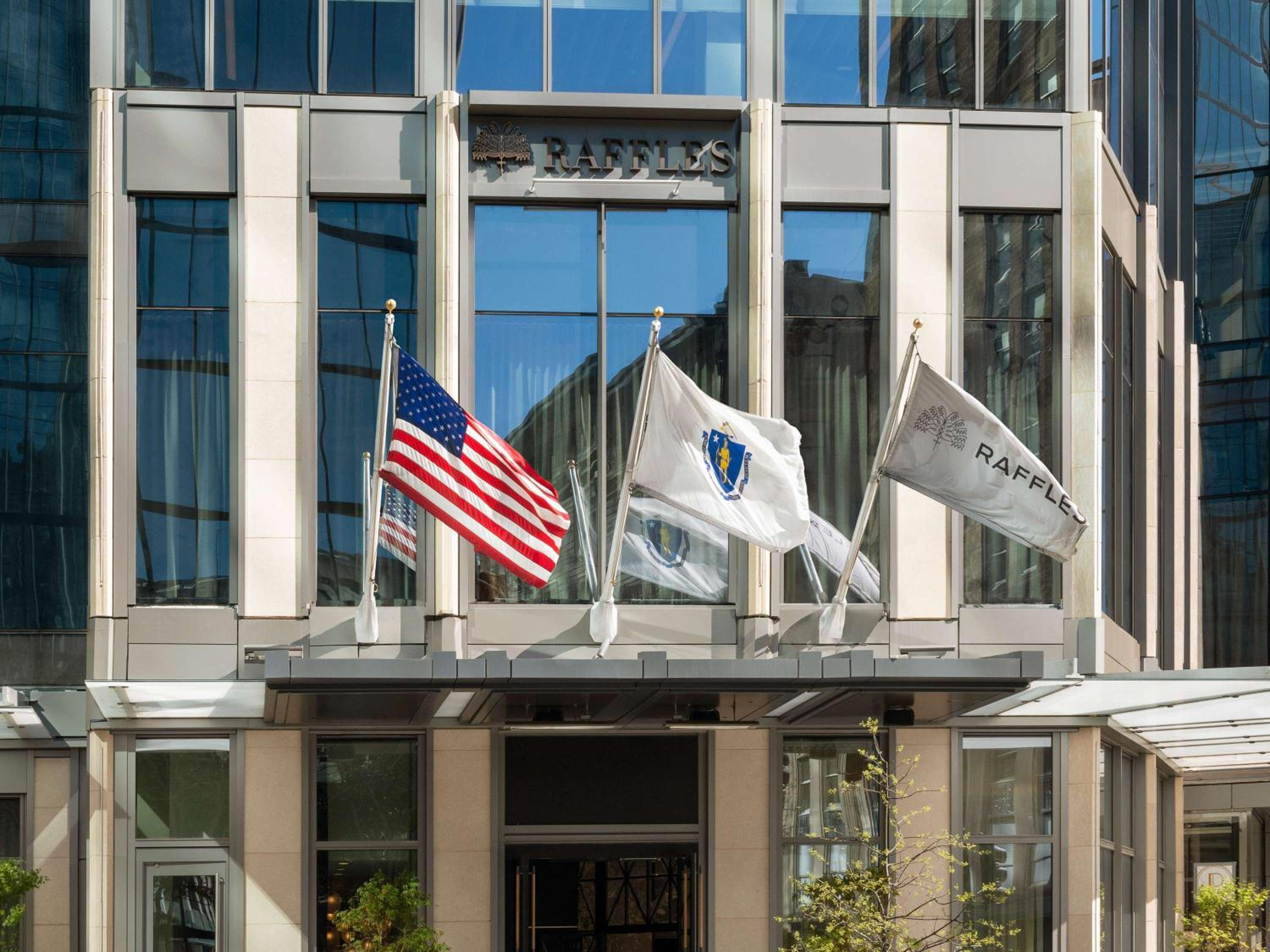
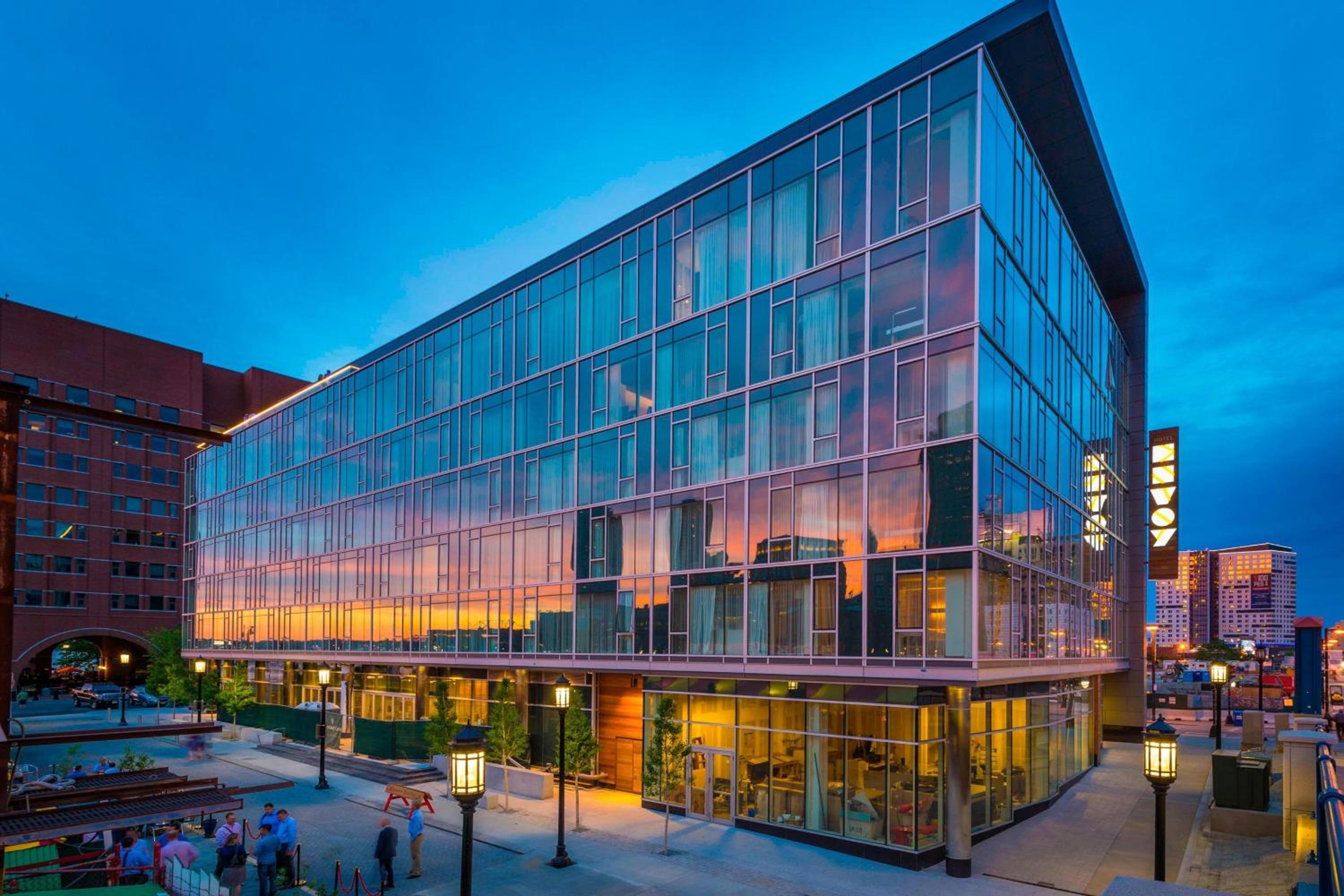
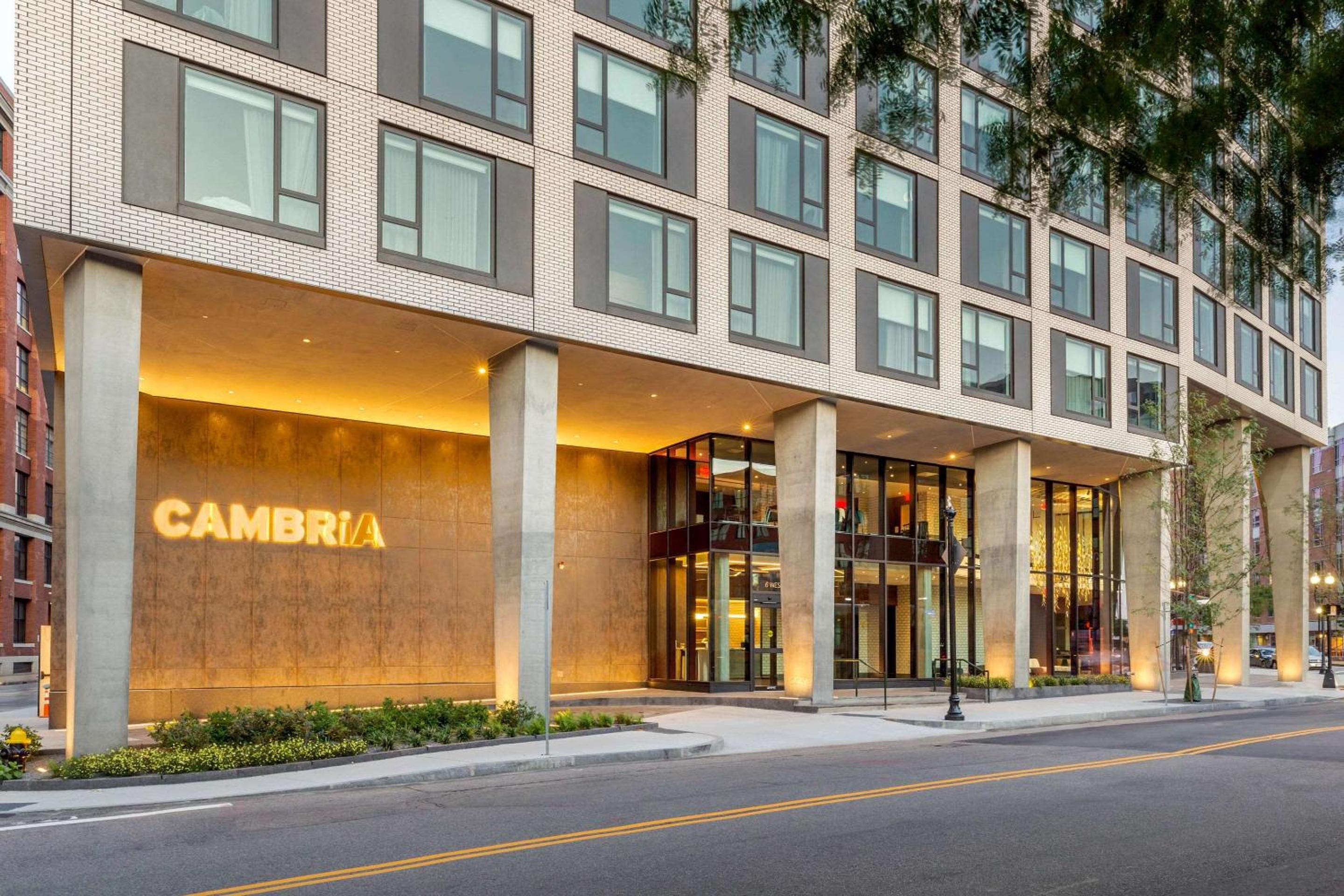
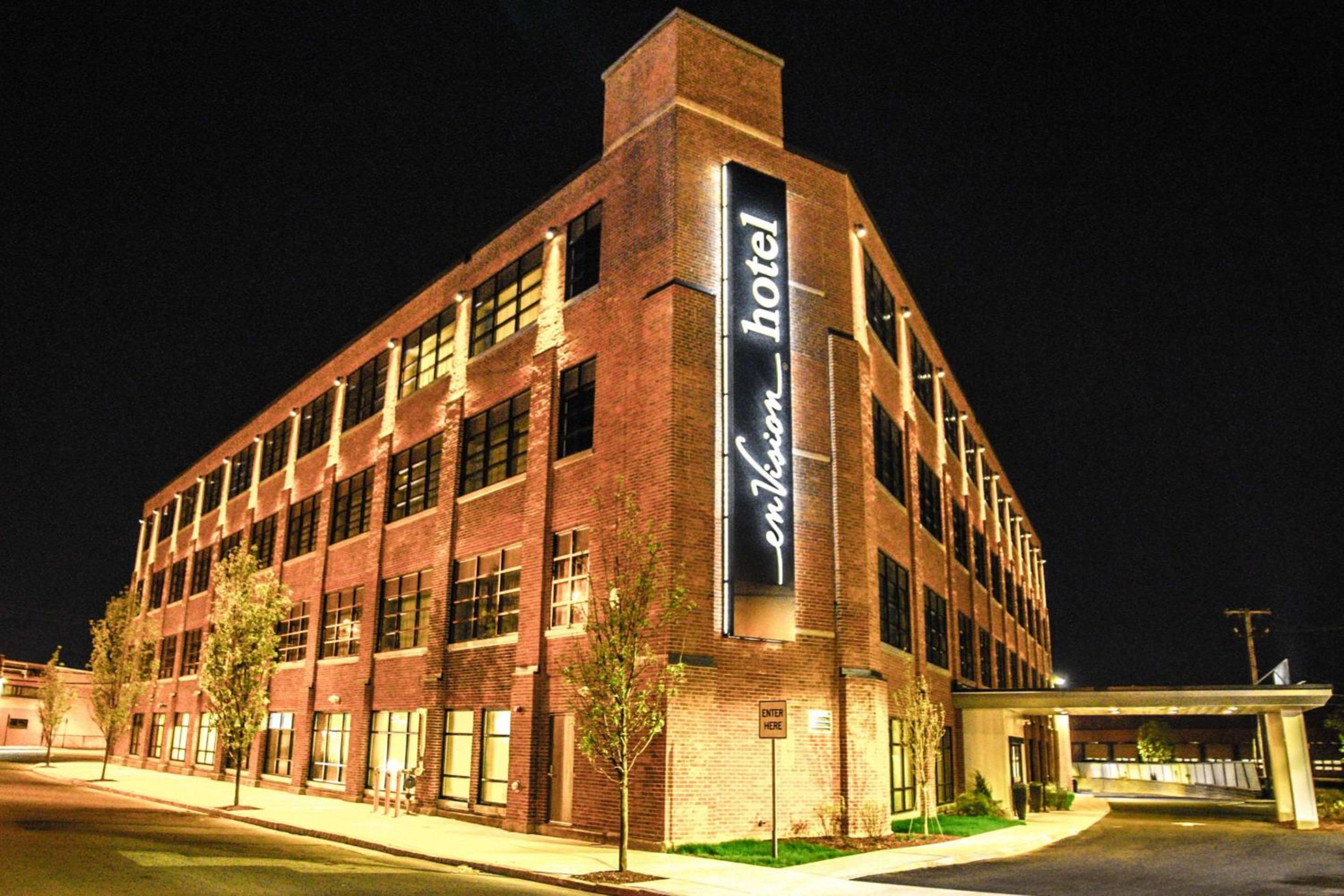
Hotels in Boston
Explore More
Related Guides
Do I need a car in New York City? Subway, buses, and getting around
Most visitors don't need a car in New York City. Here's how to get around NYC using the subway, ferries, bikes, and taxis instead.
City GuideBest time to visit New York City: month-by-month guide (2026)
Find the best time to visit New York City by weather, cost, and crowds. Month-by-month data with temps in °F and °C, hotel rates, and event calendars.
Stay in the loop
Travel deals, sustainability updates, and no spam. Ever.