
The best months to visit New York City are April, May, September, and October, when temperatures range from 50°F to 70°F (10°C–21°C), hotel rates sit below peak-summer levels, and the city's outdoor event calendar runs at full speed. January and February offer the lowest hotel prices of the year, often 30–40% below summer averages, for travelers who can handle temperatures that drop to 27°F (–3°C) overnight. Summer draws the largest crowds and the highest prices, but it also brings free concerts in Central Park and the full energy of NYC street life.
New York City: quick-reference facts by season
- New York in Spring (March–May): Weather, Travel Costs & Crowds — Temperatures climb from 42°F (6°C) in March to 68°F (20°C) in May. Hotel rates rise through the season but stay below summer peaks. Cherry blossoms peak in Central Park around late April. The NYC Five Boro Bike Tour draws 32,000 riders each May.
- New York in Summer (June–August): Weather, Travel Costs & Crowds — Average highs hit 84°F (29°C) in July, with humidity making it feel closer to 90°F (32°C). Hotel rates peak, with average nightly rates for mid-range hotels reaching $250–$350 according to NYC & Company 2024 data. SummerStage in Central Park runs free concerts June through August. Expect long lines at major attractions.
- New York in Fall (September–November): Weather, Travel Costs & Crowds — September averages 76°F (24°C) and October drops to 58°F (14°C), making both months ideal for walking the five boroughs. The New York Film Festival runs late September through mid-October at Lincoln Center. Hotel rates ease after Labor Day, and crowds thin noticeably by mid-October.
- New York in Winter (December–February): Weather, Travel Costs & Crowds — Average winter highs range from 39°F to 44°F (4°C–7°C), with overnight lows typically between 27°F and 32°F (–3°C to 0°C). December is expensive due to holiday demand, but January and February are the cheapest months of the year. The Rockefeller Center tree and Bryant Park Winter Village draw millions of visitors in December.
Month-by-month snapshot: weather, crowds, and cost
| Month | Avg high °F / °C | Crowd level | Relative hotel cost | Notable event |
|---|---|---|---|---|
| January | 39°F / 4°C | Low | $ | Restaurant Week (late Jan) |
| February | 41°F / 5°C | Low | $ | NYC Fashion Week |
| March | 50°F / 10°C | Moderate | $$ | St. Patrick's Day Parade (5th Ave) |
| April | 61°F / 16°C | Moderate | $$ | Cherry blossom season, Central Park |
| May | 71°F / 22°C | Moderate–High | $$$ | Five Boro Bike Tour, Fleet Week |
| June | 80°F / 27°C | High | $$$ | Pride March, SummerStage opens |
| July | 84°F / 29°C | Very High | $$$$ | Macy's 4th of July Fireworks |
| August | 82°F / 28°C | Very High | $$$$ | US Open Tennis (late Aug) |
| September | 76°F / 24°C | High | $$$ | New York Film Festival |
| October | 63°F / 17°C | Moderate–High | $$$ | |
| November | 52°F / 11°C | Moderate | $$ | Macy's Thanksgiving Day Parade, (first Sunday) |
| December | 43°F / 6°C | High | $$$$ | Rockefeller Center tree lighting |
Best time to visit by traveler type
Decision table: match your goal to the right travel window
| If you want | Best time to go |
|---|---|
| Lowest hotel rates | January–February |
| Best weather for walking | May and October |
| Major events and festivals | June and September |
| Festive holiday atmosphere | December |
| Fewer crowds at museums | Late April or early November |
| Outdoor dining and rooftop bars | June–September |
| Fall foliage in Central Park | Late October–early November |
Spring in New York: the case for April and May
April and May give you the most favorable combination of weather, cost, and access. Temperatures in April average 61°F (16°C) during the day, dropping to around 46°F (8°C) at night, so a light jacket handles most evenings. The Brooklyn Botanic Garden's cherry blossoms, located at 990 Washington Avenue, Brooklyn, peak between late April and early May and draw large weekend crowds, so visit on a weekday morning to avoid the worst of it.
May pushes temperatures into the low 70s°F (around 22°C) and brings Fleet Week to the Hudson River piers, where you can board Navy ships for free. Hotel rates in May run about 15–20% higher than April but still sit below the summer ceiling. Book at least six weeks out for May weekends, particularly around Memorial Day, when rates spike across all boroughs.
Fall in New York: September and October for serious visitors
September is the month most frequent NYC visitors choose for a reason. The summer crowds have thinned, the US Open Tennis wraps up at the USTA Billie Jean King National Tennis Center in Flushing Meadows, and the New York Film Festival brings screenings and public events to Lincoln Center. Average temperatures sit at 76°F (24°C) in early September, cooling to 63°F (17°C) by mid-October.
October is the strongest month for foliage in Central Park, with peak color typically arriving between October 20 and November 5 depending on the year. The held on the first Sunday of November, closes major roads through all five boroughs, so check the New York Road Runners website for the route before booking accommodation near the course. Hotel rates in October average 10–15% below September, making it the better value of the two fall months.
Winter in New York: what January and February actually look like
Average winter highs range from 39°F to 44°F (4°C–7°C), with overnight lows typically between 27°F and 32°F (–3°C to 0°C). Snowfall averages 25 inches (63 cm) per season according to NOAA historical data, with most accumulation in January and February. The cold keeps many visitors away, which is exactly why hotel rates bottom out during these months.
Museums are at their least crowded in January and February. The Metropolitan Museum of Art at 1000 Fifth Avenue and the Museum of Modern Art at 11 West 53rd Street both see 30–40% fewer visitors than in July, according to NYC & Company visitor data. If you dress in layers and treat the cold as a given rather than a problem, January in New York rewards you with shorter lines, lower prices, and a city that feels like it belongs to the people who actually live there.
Sustainable travel: why shoulder season is better for the city
Visiting in April, May, September, or October spreads tourism revenue across more of the year, which reduces the strain on subway infrastructure, popular parks, and restaurant staffing that peaks in July and August. The MTA reports its highest ridership days in summer, and overcrowding on the 4/5/6 line near Grand Central and the A/C/E near Times Square is measurably worse between June and August.
Shoulder season travel also means you spend less time idling in traffic or waiting for rideshares, which cuts your per-trip emissions compared to peak-season gridlock. The NYC Ferry, operated by Hornblower, runs routes from lower Manhattan to Brooklyn, Queens, and the Bronx year-round and produces significantly lower emissions per passenger mile than a taxi or rideshare. Using the ferry and the subway instead of cars is the single most effective way to reduce your environmental footprint while moving around the city.
Practical tips for planning your New York trip
- Download the MTA's official app or use Citymapper (free, iOS and Android) to navigate subway changes in real time. The MTA runs planned service changes almost every weekend, and the app flags them before you end up on a shuttle bus instead of the F train.
- Book TKTS discount Broadway tickets at the TKTS booth in Father Duffy Square at 47th Street and Broadway. Same-day tickets sell at 20–50% off face value. The booth opens at 3:00 PM for evening shows and 10:00 AM for matinees on Wednesday and Saturday.
- Use the NYC Ferry for travel between lower Manhattan and Brooklyn Bridge Park, DUMBO, or Astoria in Queens. A single ride costs $4 and accepts contactless payment but runs its own fare system, separate from OMNY. The East River route gives you unobstructed views of the Manhattan skyline without paying for a tourist boat.
- Avoid Midtown hotel searches and look at neighborhoods like Long Island City in Queens (one stop from Grand Central on the 7 train) or Williamsburg in Brooklyn (one stop from Manhattan on the L train). You can find rooms 25–40% cheaper than comparable Midtown options, with faster access to some attractions than hotels on the west side of Manhattan.
- Check the NYC Parks events calendar before your trip. Free events including Shakespeare in the Park at the Delacorte Theater, SummerStage concerts, and outdoor film screenings run from May through October and require no tickets or reservations for most performances.
Official sources for New York City travel planning
- NYC & Company — The city's official tourism bureau. Use it for event calendars, neighborhood guides, and current hotel deals.
- MTA Trip Planner — Plan subway, bus, and rail trips across all five boroughs. Check weekend service alerts before you travel.
- NOAA Climate Data for New York City — Historical temperature, precipitation, and snowfall data for month-by-month planning.
- NYC Parks Department — Free event listings, park hours, and permit information for all 30,000 acres of NYC parkland.
FAQs
Common Questions
January is the cheapest month, with average mid-range hotel rates in Midtown dropping to $150–$200 per night, compared to $300–$400 in July. February runs a close second. Both months see low tourist volume, shorter museum lines, and NYC Restaurant Week deals in late January. The trade-off is temperatures that average 39°F–41°F (4°C–5°C) during the day and drop to 27°F–32°F (–3°C to 0°C) overnight.
July is the busiest month by visitor volume, followed closely by August. NYC & Company estimates the city receives over 3 million visitors per month during peak summer. Hotel rates peak, wait times at major attractions like the Statue of Liberty ferry and the Top of the Rock observation deck stretch to 60–90 minutes, and the subway runs at maximum capacity on weekday mornings. If you visit in July, book accommodation and attraction tickets at least 4–6 weeks in advance.
May and October offer the most comfortable weather for walking and outdoor activities. May averages 71°F (22°C) with low humidity, and October averages 63°F (17°C) with clear skies and fall foliage in Central Park. Both months see far less humidity than July and August, when the heat index regularly pushes the feels-like temperature above 90°F (32°C). September is also strong, averaging 76°F (24°C) with lower humidity than summer.
December works well if you want the holiday atmosphere and can handle higher prices and larger crowds. The Rockefeller Center tree, the Bryant Park Winter Village market, and the department store window displays on Fifth Avenue all draw millions of visitors. Hotel rates in December rival July peaks, so book early and consider staying in Midtown South or the Financial District rather than Times Square to get better value. Temperatures average 43°F (6°C) during the day, so pack a warm coat and waterproof boots.
Late June through early August works best for families, since school is out and the city's free outdoor programming runs at full capacity. SummerStage at Rumsey Playfield in Central Park, Movies with a View at Brooklyn Bridge Park, and free kayaking on the Hudson River at Pier 96 all operate during this window. The heat can be intense, averaging 80°F–84°F (27°C–29°C), so plan museum visits for midday and outdoor activities for mornings before 11:00 AM.
For peak months like July, August, and December, book 6–8 weeks out to secure reasonable rates and availability. For shoulder months like April, May, September, and October, 3–4 weeks is usually enough for most neighborhoods outside Midtown. January and February require the least lead time, and you can often find good rates 1–2 weeks before arrival. Use the NYC & Company website at nycgo.com to cross-reference official hotel partners against third-party booking sites.
Explore
Hotels in New York
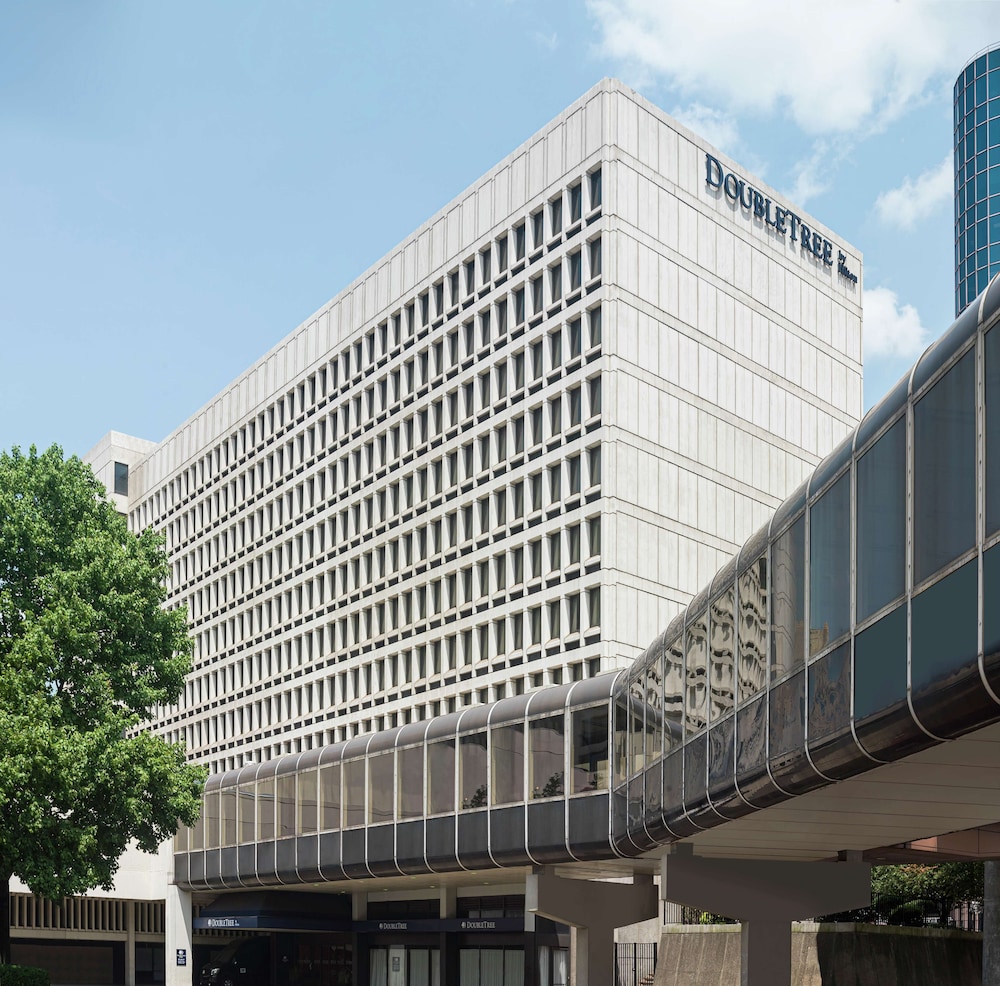
DoubleTree by Hilton Newark Penn Station
1048 Raymond Blvd., Newark, New Jersey, 07102

Aloft New York LaGuardia Airport
100 - 15 Ditmars Blvd, East Elmhurst, New York, 11369
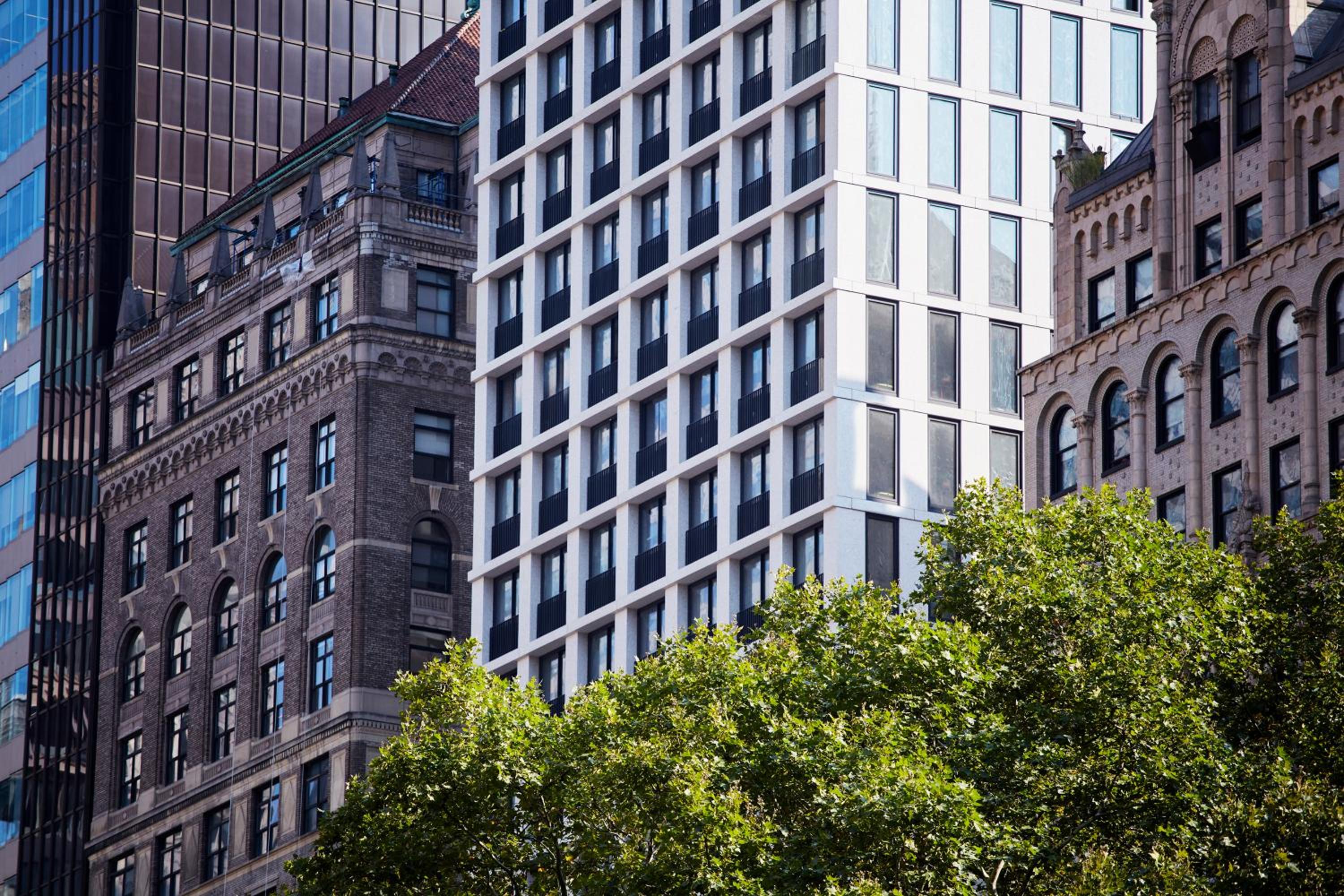
Park Terrace Hotel
18 West 40th Street
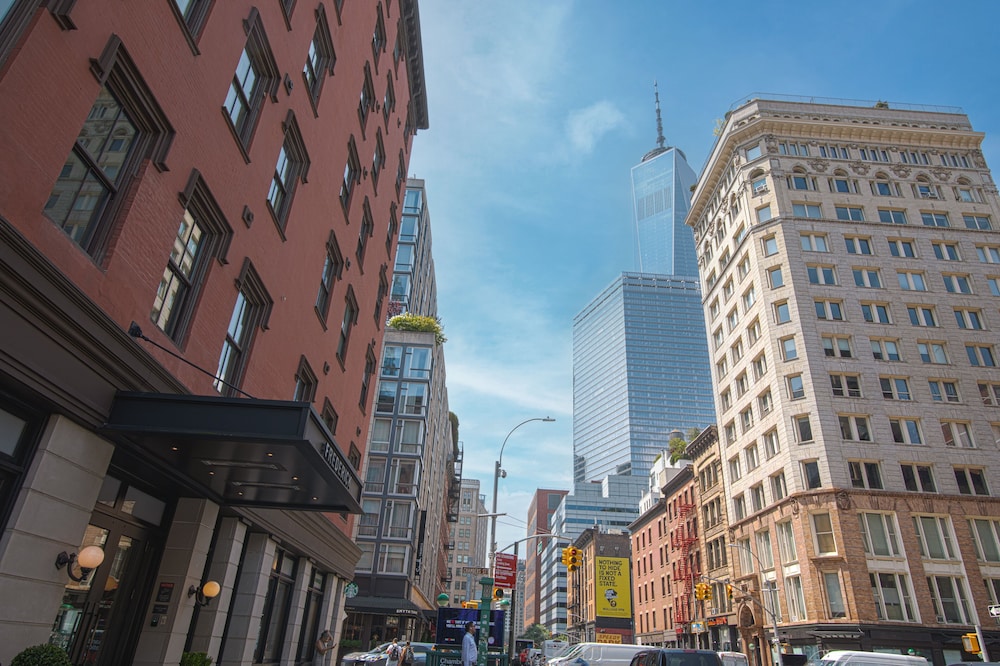
The Frederick Hotel
95 West Broadway (at Chambers), New York, New York, 10007
Stay in the loop
Travel deals, sustainability updates, and no spam. Ever.