
Most visitors do not need a car in New York City. The subway runs 24/7, and together with buses, ferries, taxis, and walkable streets, it connects most major destinations across the five boroughs, including major attractions, neighborhoods, and airport transit links. Driving in NYC adds cost and stress, with parking averaging $40 to $60 per day in Midtown Manhattan and traffic that can turn a 2-mile trip into a 45-minute ordeal.
Key facts before you decide
- The NYC subway covers 472 stations across all five boroughs and runs every day, all night.
- A single subway or local bus ride costs $2.90 with an OMNY tap-to-pay card or MetroCard.
- Midtown Manhattan parking garages charge $40 to $60 per day on average, and street parking is scarce.
- NYC's congestion pricing zone covers Manhattan below 60th Street. As of 2025, most passenger vehicles pay a $9 toll to enter.
- Citi Bike has over 1,800 stations across Manhattan, Brooklyn, Queens, and the Bronx.
- The NYC Ferry connects lower Manhattan, Brooklyn, Queens, and the Bronx for $2.90 per ride.
- JFK, LaGuardia, and Newark airports all have direct public transit links into Manhattan.
NYC transport options compared
| Option | Typical cost | Convenience |
|---|---|---|
| Subway | $2.90 per ride | Very high |
| Taxi / Rideshare (Uber, Lyft) | $15–$40 for most Manhattan trips | High |
| NYC Ferry | $2.90 per ride | High |
| Citi Bike | $4.99 per 30-min ride or $19/month membership | High |
| MTA Bus | $2.90 per ride | Medium |
| Rental Car | $80–$150/day plus $40–$60/day parking | Low |
When you might need a car in NYC
A rental car makes sense in a handful of specific situations, mostly when you plan to leave the city.
If you're taking a day trip to the Catskills, the Hamptons, or upstate New York, a car gives you flexibility that no train schedule can match. The Long Island Rail Road reaches the Hamptons, but getting around once you arrive is difficult without a vehicle.
Families traveling with young children and a full set of strollers, car seats, and luggage may find the subway physically demanding, especially at stations without elevator access. The MTA elevator status page shows which stations have working elevators on any given day.
Travelers with mobility limitations who need door-to-door service may prefer Access-A-Ride, NYC's paratransit service, or a rideshare over navigating subway stairs. That said, many stations in Manhattan have been retrofitted with elevators.
If you're visiting someone in a suburban area of New Jersey, Long Island, or Westchester County that sits beyond the commuter rail network, a car is the practical choice. Driving within the five boroughs, though, rarely saves time compared to the subway.
When you definitely don't need a car
Staying in Manhattan means you can walk or subway to almost everything. Times Square, Central Park, the High Line, the Metropolitan Museum of Art, and most Broadway theaters sit within a few blocks of multiple subway lines.
Visiting Brooklyn's most popular neighborhoods, including Williamsburg, DUMBO, and Park Slope, takes 15 to 25 minutes from Midtown on the L, A, C, or F trains. The NYC Ferry also connects Wall Street to DUMBO and Williamsburg in under 30 minutes for $2.90.
Getting to and from airports is straightforward without a car. The AirTrain connects JFK to the Howard Beach (A train) and Jamaica (E, J, Z trains) stations for $8.50. LaGuardia has the M60 bus to the subway. Newark connects via NJ Transit to Penn Station.
Day trips within the city, including Coney Island, the Bronx Zoo, the New York Botanical Garden, and the Staten Island Ferry, all work on public transit. The Staten Island Ferry from Whitehall Terminal in lower Manhattan is free and runs around the clock.
If your itinerary keeps you in Manhattan, Brooklyn, or Queens near a subway line, you will not find a car useful. You will find it expensive and frustrating.
How to get around New York City without a car
The MTA eTix app and OMNY contactless payment let you tap your phone or credit card at any subway turnstile or bus reader. No MetroCard required. OMNY also caps your weekly spending at $34 (the cost of an unlimited weekly MetroCard) once you hit 12 paid rides in a week.
For longer trips across boroughs, Google Maps and Citymapper both give accurate, real-time subway directions that account for service changes and delays. Citymapper tends to handle weekend service diversions better than Google Maps.
Understanding NYC's congestion pricing zone
Manhattan below 60th Street is a congestion pricing zone, and most passenger vehicles pay a $9 toll to enter as of 2025. The toll applies around the clock, every day. Taxis and rideshares add a surcharge on top of their base fare when they enter the zone.
The MTA congestion pricing page has the full toll schedule, including rates for trucks, motorcycles, and vehicles with disabilities exemptions. If you do rent a car and plan to drive into Midtown or lower Manhattan, factor this cost into your budget alongside parking.
For most visitors, congestion pricing is one more reason to skip the rental car entirely. The toll alone can add $63 or more to a week of daily driving into the zone.
Sustainable travel in New York City
Choosing the subway, ferry, or Citi Bike over a rental car cuts your per-trip carbon output by a significant margin. NYC's subway system moves over 3 million riders on an average weekday, and each of those trips displaces a car journey that would otherwise add to the city's already congested streets. Citi Bike alone logged over 40 million rides in 2023, making it one of the most-used bike-share systems in the United States. Skipping the rental car in NYC is one of the lowest-effort sustainable choices a traveler can make, and it also saves money.
Official sources for NYC transit planning
- MTA (Metropolitan Transportation Authority) — subway maps, bus routes, service alerts, and fare information.
- NYC Ferry — route maps, schedules, and ticket purchasing for all ferry lines.
- Citi Bike — station finder, membership options, and trip planning.
- NYC DOT (Department of Transportation) — parking rules, bike lanes, and pedestrian infrastructure.
- MTA Congestion Pricing — toll rates and exemptions for the Manhattan congestion zone.
FAQs
Common Questions
The subway and local buses cost $2.90 per ride, and OMNY caps your weekly spending at $34 once you take 12 paid rides in a week. Citi Bike is competitive for short trips, especially if you buy a day pass. Walking is free and often faster than any vehicle for trips under a mile in dense neighborhoods like Midtown or the West Village.
All three major airports have public transit connections. From JFK, take the AirTrain to Howard Beach or Jamaica and connect to the A, E, J, or Z subway lines. The total trip to Midtown takes about 60 minutes and costs around $11.40. From LaGuardia, the M60 bus connects to the N, W, and 4/5/6 subway lines. From Newark, NJ Transit trains run to Penn Station at 34th Street in about 30 minutes for around $17.
Most passenger vehicles pay a $9 toll to enter Manhattan below 60th Street as of 2025. The toll applies 24 hours a day, seven days a week. Taxis and rideshares add a separate surcharge when they enter the zone. The [MTA congestion pricing page](https://new.mta.info/congestion-pricing) has the full schedule, including exemptions for certain low-income drivers and vehicles with disabilities placards.
Citi Bike has over 1,800 docking stations across Manhattan, Brooklyn, Queens, and the Bronx. A single 30-minute ride costs $4.99, and a day pass runs $19. NYC also has over 1,400 miles of bike lanes, including protected lanes along major routes like 9th Avenue in Manhattan and the Brooklyn Bridge path. The Citi Bike app shows real-time station availability.
Citymapper handles weekend service diversions and real-time delays better than most alternatives. Google Maps works well for standard weekday routing. The official MTA app shows service alerts and lets you plan trips, but Citymapper tends to give more accurate arrival times during disruptions. Download both before you arrive.
Midtown Manhattan parking garages charge $40 to $60 per day on average, and some charge more during peak hours. Street parking in Manhattan requires navigating alternate-side parking rules, which suspend street cleaning on certain days but don't guarantee a spot. Outer boroughs like Astoria in Queens or Park Slope in Brooklyn have cheaper garage rates, but driving from there into Manhattan adds the $9 congestion toll.
Explore
Hotels in New York

NU Hotel Brooklyn
85 Smith St, Brooklyn, New York, 11201
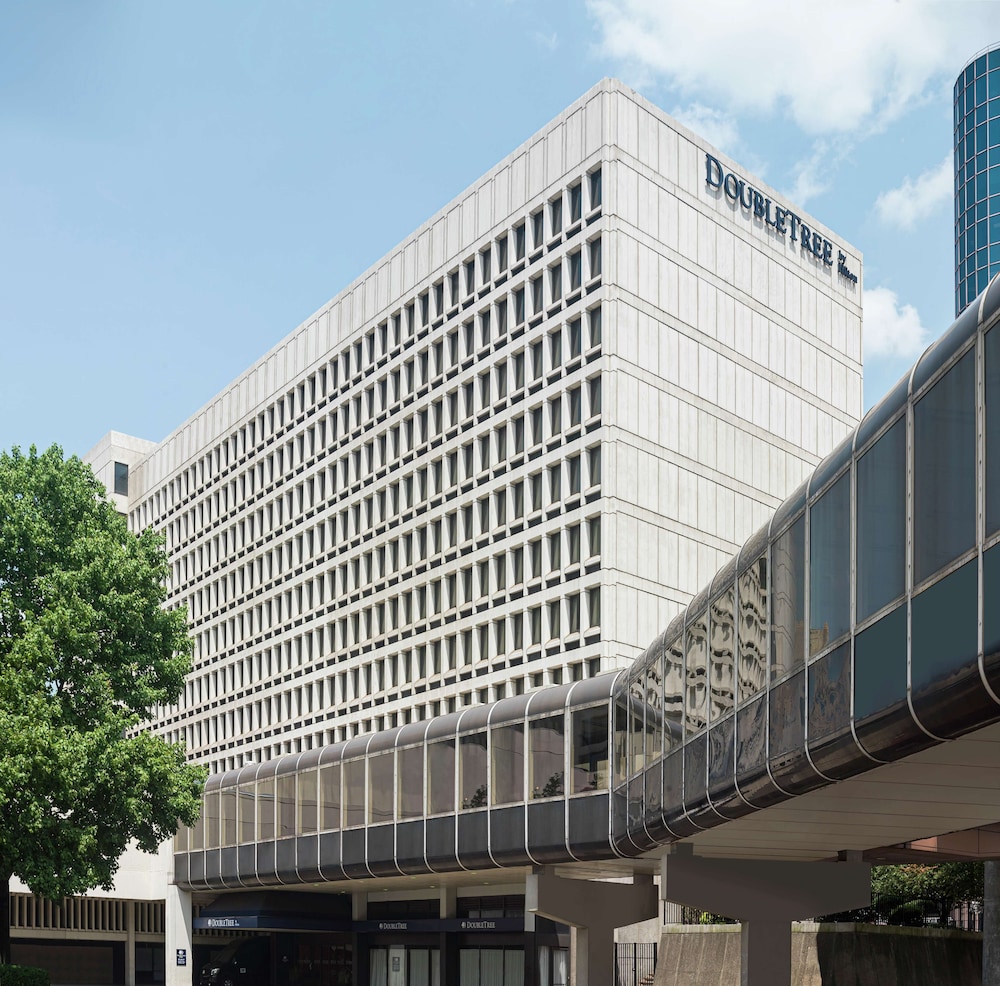
DoubleTree by Hilton Newark Penn Station
1048 Raymond Blvd., Newark, New Jersey, 07102
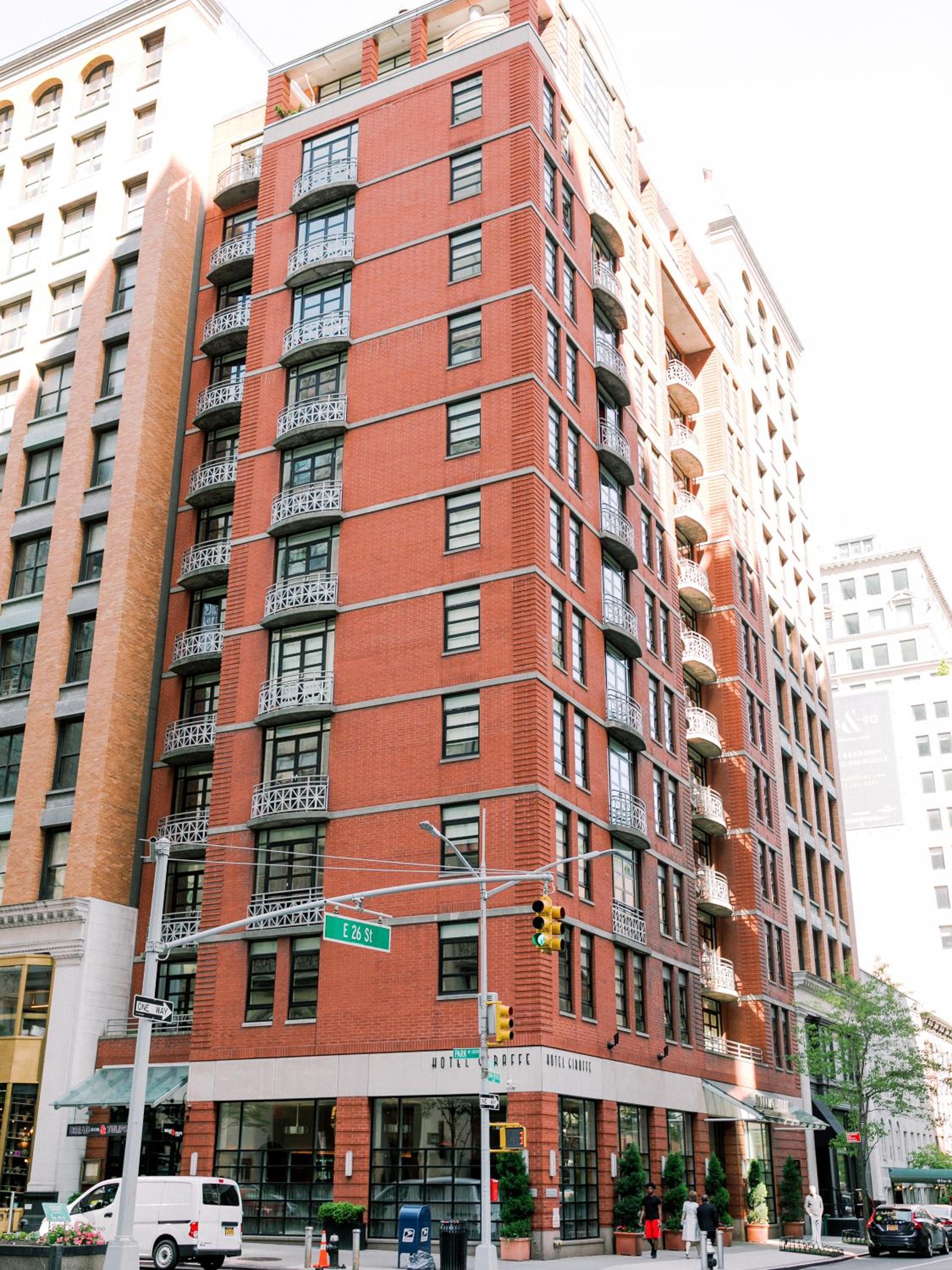
Hotel Giraffe by Library Hotel Collection
365 Park Avenue South At 26th St.
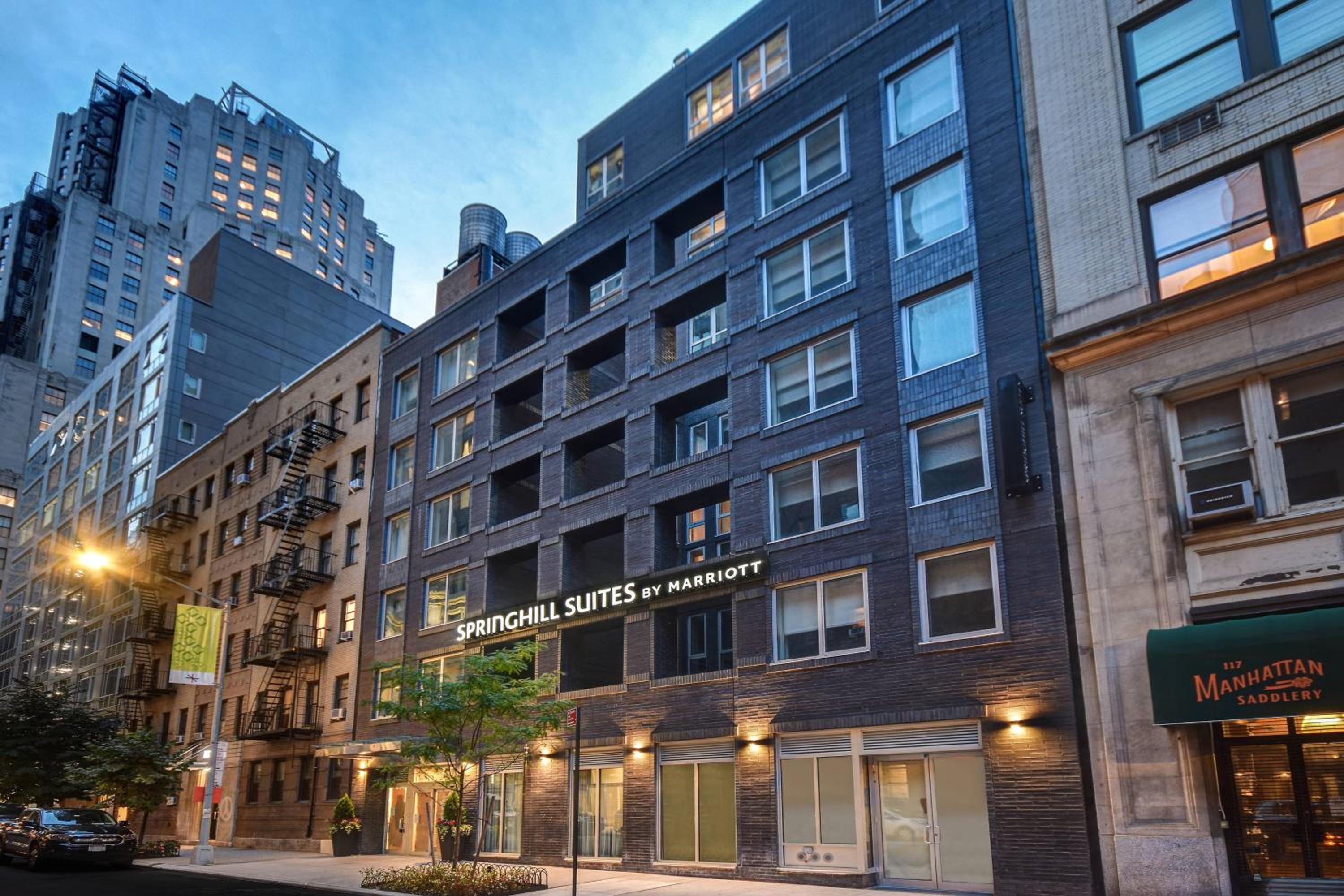
SpringHill Suites by Marriott New York Midtown Manhattan/Park Ave
111 East 24th Street
Stay in the loop
Travel deals, sustainability updates, and no spam. Ever.