
Three Boston hotels hold verified Green Key Global certification, one of the most demanding third-party sustainability credentials available to hotels in the United States. Green Key Global audits properties across energy use, water conservation, waste reduction, and staff training, then awards a level from 1 to 5 based on how many criteria a hotel meets. All three hotels on this page earned 4 Green Keys, placing them well above the entry threshold.
What Green Key Global certification requires
Green Key Global evaluates hotels against more than 160 criteria organized into categories including energy management, water conservation, waste handling, chemical use, indoor air quality, and community engagement. An independent auditor visits the property, reviews documentation, and scores performance before awarding a level. Hotels must renew certification annually, so a current rating reflects ongoing operational standards rather than a one-time renovation. Earning 4 out of 5 Green Keys means a hotel meets the vast majority of those criteria, not just the baseline requirements.
For travelers searching for eco-friendly hotels in Boston, Green Key certification offers something that marketing language cannot: a third-party audit trail. A hotel that holds 4 Green Keys has had its energy bills, water meters, waste logs, and staff training records reviewed by an outside body. That accountability separates certified properties from hotels that describe themselves as green without external verification.
Green Key certified hotels in Boston at a glance
| Hotel | Stars | Green Keys | Neighborhood | Nearest T Station |
|---|---|---|---|---|
| W Boston, a Marriott Hotel | 4 | 4 of 5 | Theater District | Boylston (Green Line), 4 min walk |
| Boston Harbor Hotel | 5 | 4 of 5 | Waterfront / Rowes Wharf | Aquarium (Blue Line), 6 min walk |
| Seaport Hotel Boston | 4 | 4 of 5 | Seaport District | World Trade Center (Silver Line), 3 min walk |
How Green Key compares to LEED and Energy Star
LEED certification, administered by the U.S. Green Building Council, focuses on the physical building: its construction materials, mechanical systems, site selection, and design. A hotel can earn LEED Gold for its building envelope while running day-to-day operations with no formal sustainability program. Green Key, by contrast, audits how the hotel operates every year, covering staff behavior, purchasing decisions, and guest-facing programs alongside physical infrastructure. The two credentials measure different things, and a hotel can hold both or either.
Energy Star, managed by the U.S. Environmental Protection Agency, measures a building's energy performance relative to similar properties and awards a score from 1 to 100. A hotel scoring 75 or above earns the Energy Star label. Green Key covers energy as one category among many, so a hotel with strong energy performance might earn Energy Star without meeting Green Key's water, waste, or community criteria. Green Key is broader in scope and requires an on-site audit rather than a benchmarking calculation.
Why Green Key certification is rare in Boston
- The annual audit process requires hotels to maintain detailed operational records across energy, water, waste, and chemical use, which demands dedicated staff time and internal tracking systems that many properties have not built.
- Boston's hotel market is competitive and capital-intensive. Many properties invest sustainability budgets in visible guest amenities rather than third-party audit programs that guests may not recognize at booking.
- Green Key Global has a smaller footprint in the northeastern United States compared to certification programs more common in Europe, where the credential originated. Fewer local consultants specialize in preparing hotels for Green Key audits.
- Only three Boston hotels currently hold verified Green Key Global certification. For comparison, cities with stronger convention and corporate travel markets focused on sustainability reporting tend to show higher adoption rates.
Our Picks
Top Hotels
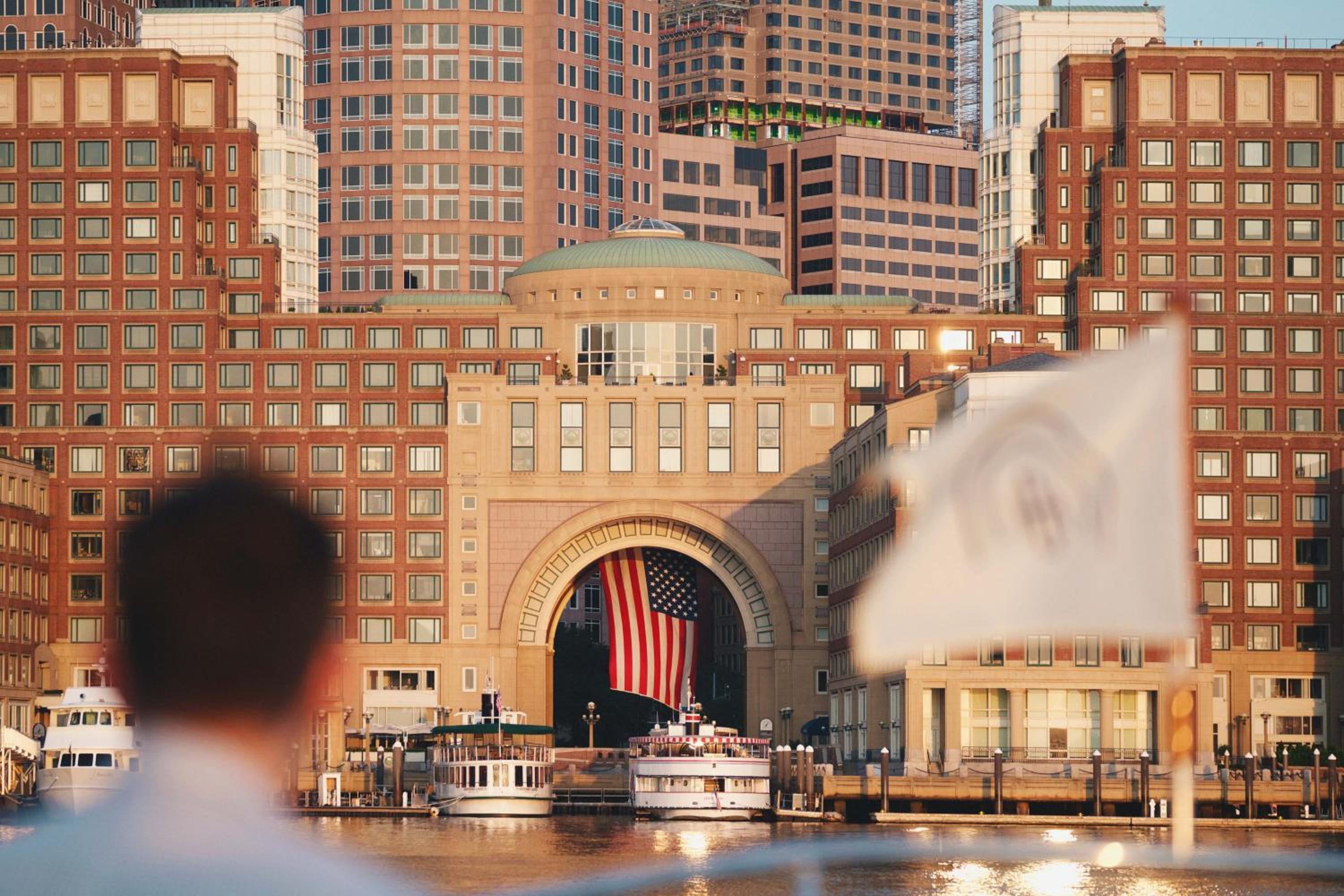
Boston Harbor Hotel
70 Rowes Wharf, Boston

Seaport Hotel Boston
1 Seaport Lane, Boston, Massachusetts, 02210, Boston
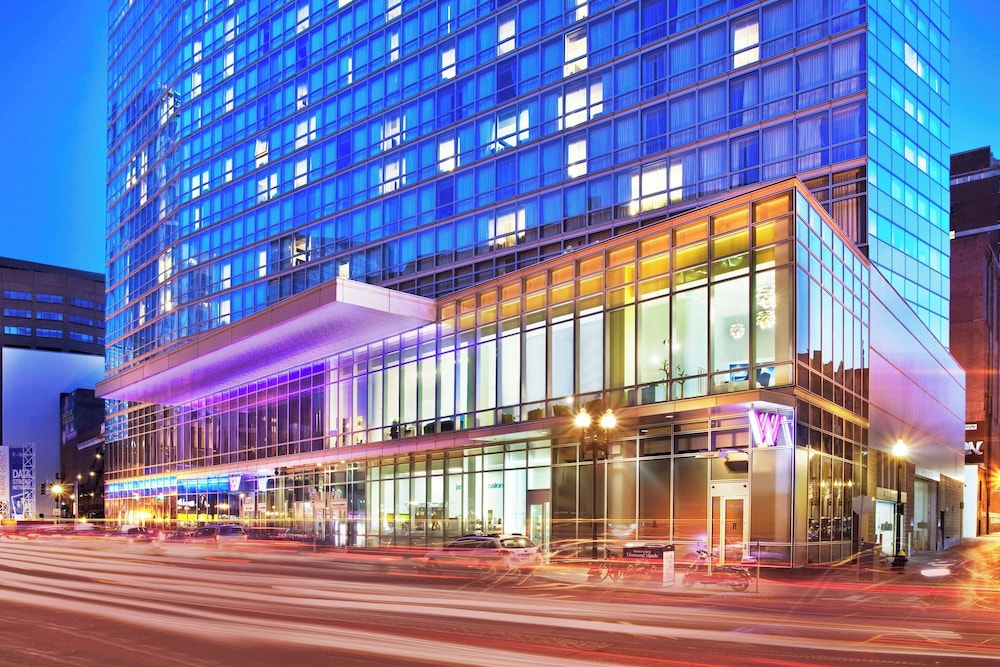
W Boston, a Marriott Hotel
100 Stuart Street, Boston, Massachusetts, 02116, Boston
FAQs
Common Questions
Green Key Global rates hotels on a scale of 1 to 5. A rating of 4 means the property met the criteria across the majority of Green Key's audit categories, which cover energy management, water conservation, waste reduction, chemical handling, indoor air quality, and community engagement. All three certified Boston hotels on this page hold 4 Green Keys, placing them above the entry-level threshold but with room to reach the top tier.
Any hotel can describe itself as eco-friendly in marketing materials without external review. Green Key Global sends an independent auditor to the property, reviews operational records, and scores performance against more than 160 criteria before awarding a certification level. Hotels must renew annually. That audit process is what separates a Green Key rating from a self-applied label.
Guests at Green Key certified properties may notice practices like linen reuse programs, in-room recycling options, low-flow fixtures, and LED lighting. At Seaport Hotel Boston, in-room composting is available, which is a direct guest-facing program. The certification also covers back-of-house operations that guests do not see, such as chemical purchasing and staff training, but those practices affect the hotel's overall environmental footprint.
Some Boston hotels hold LEED certification for their building design, and others participate in Energy Star benchmarking for energy performance. Those credentials measure different things than Green Key. LEED focuses on building construction and systems; Energy Star scores energy use relative to comparable buildings. Green Key audits ongoing hotel operations across multiple environmental categories. A hotel can hold more than one credential, and holding Green Key does not preclude holding LEED or Energy Star.
The annual audit process requires hotels to maintain detailed records across energy, water, waste, and chemical use, which demands dedicated staff capacity. Green Key Global also has a smaller presence in the northeastern United States compared to Europe, where the program originated, so fewer local consultants specialize in preparing properties for the audit. Boston's competitive hotel market means many properties direct sustainability budgets toward guest amenities rather than third-party certification programs.
The Silver Line is MBTA bus rapid transit, not a rail subway line. The World Trade Center stop on the Silver Line SL2 route is a 3-minute walk from Seaport Hotel Boston and connects directly to South Station, where travelers can transfer to the Red Line or take commuter rail. The Silver Line also runs directly to Logan International Airport, making it a practical option for arriving and departing guests.
Explore
Hotels in Boston

Explore More
Related Guides
Best hotel pools in Chicago: 5 top picks
5 Chicago hotels ranked by pool quality and size. Includes indoor laps, rooftop pools, and spa pools verified for 2026 guests.
BrandAll Marriott International hotels in Dallas, organized by brand and neighborhood
19 verified Marriott International hotels in Dallas across 12 brands. Addresses, ratings, neighborhoods, and DART access confirmed for 2026.
Why Dyme
Travel Smarter. Make an Impact.
Every trip you book through Dyme funds renewable energy projects around the world. Same hotels, better prices, real change.
Stay in the loop
Travel deals, sustainability updates, and no spam. Ever.