
Finding eco-friendly boutique hotels Boston visitors can trust means cutting through vague brand promises and looking for third-party certifications or published, measurable results. Every hotel on this list holds either a recognised environmental certification or a documented sustainability record with specific figures. Large chain lifestyle flags and properties without verified credentials are excluded.
How we selected these hotels
We applied a two-tier framework to every candidate property. Tier 1 covers hotels with a third-party certification from a recognised body such as LEED (US Green Building Council), Green Key, EarthCheck, Green Globe, or Energy Star. An independent auditor has physically verified those properties meet defined environmental standards. Tier 2 covers hotels that have published specific, measurable sustainability outcomes, such as a documented percentage reduction in energy or water use, without yet holding a formal certification. Corporate mission statements and brand-level pledges without property-specific numbers do not qualify under either tier. Within each tier, higher star ratings rank first, and alphabetical order breaks any remaining ties. Boutique character is assessed by room count (preference for under 100 rooms), independent or small-group ownership, and a distinct design identity. Mass-market chain flags are excluded regardless of their sustainability claims.
Eco-friendly boutique hotels in Boston at a glance
| Hotel | Stars | Eco tier | Certification or verified metric | Nearest T stop |
|---|---|---|---|---|
| XV Beacon | 5 | Tier 1 | LEED certified | Park Street, Green/Red Line, 4 min walk |
| The Whitney Hotel Boston | 5 | Tier 2 | Published energy reduction program, Beacon Hill historic retrofit | Charles/MGH, Red Line, 2 min walk |
| Beacon Hill Hotel | 4 | Tier 2 | Published low-waste operations, locally sourced food program with documented supplier list | Charles/MGH, Red Line, 3 min walk |
| The Verb Hotel | 3 | Tier 2 | Published sustainability commitments with documented waste diversion and local procurement metrics | Fenway, Green Line D, 5 min walk |
| Moroccan Boutique Guest House | 3 | Tier 2 | Published low-energy operations, heritage building reuse reducing embodied carbon | Haymarket, Green/Orange Line, 4 min walk |
What to look for beyond the certification label
- A LEED plaque on the wall means an independent auditor verified the building's energy, water, and materials performance. Ask the front desk which version of LEED the property holds, as standards have tightened over successive versions.
- Published water or energy reduction figures with a baseline year are a meaningful signal. A hotel that says 'we reduced water use 22% since 2019' is giving you something checkable. One that says 'we care about the planet' is not.
- Boutique properties in historic Boston buildings, such as those on Beacon Hill or in the North End, often carry a lower carbon footprint per room than new-build towers simply because the embodied carbon of construction has already been absorbed over decades of prior use.
- The City of Boston's Greenovate Boston program and Massachusetts Clean Energy mandates push many local properties toward renewable electricity procurement. Ask whether the hotel sources electricity through a green tariff or on-site generation.
- Room count matters for the boutique designation. Properties with fewer than 50 rooms typically offer a more personal experience and are less likely to operate the high-volume amenity infrastructure that drives energy consumption in larger hotels.
Eco-friendly boutique hotels Boston: what the certification tiers mean for your stay
A Tier 1 property has had its sustainability practices audited by an organisation with no financial stake in the outcome. That audit covers building systems, water fixtures, waste streams, and sometimes indoor air quality. You are not taking the hotel's word for it.
Tier 2 properties have done the harder work of measuring their own performance and publishing the numbers. That transparency matters even without a formal audit, because it creates accountability. A hotel that publishes a 30% energy reduction figure has committed to a baseline it can be held to.
For travellers who want to reduce the footprint of a Boston trip, both tiers represent a meaningful step above the industry average. The five properties below cover Beacon Hill, Back Bay, Fenway, and the North End, so you can pair your sustainability preference with your preferred neighbourhood.
Our Picks
Top Hotels
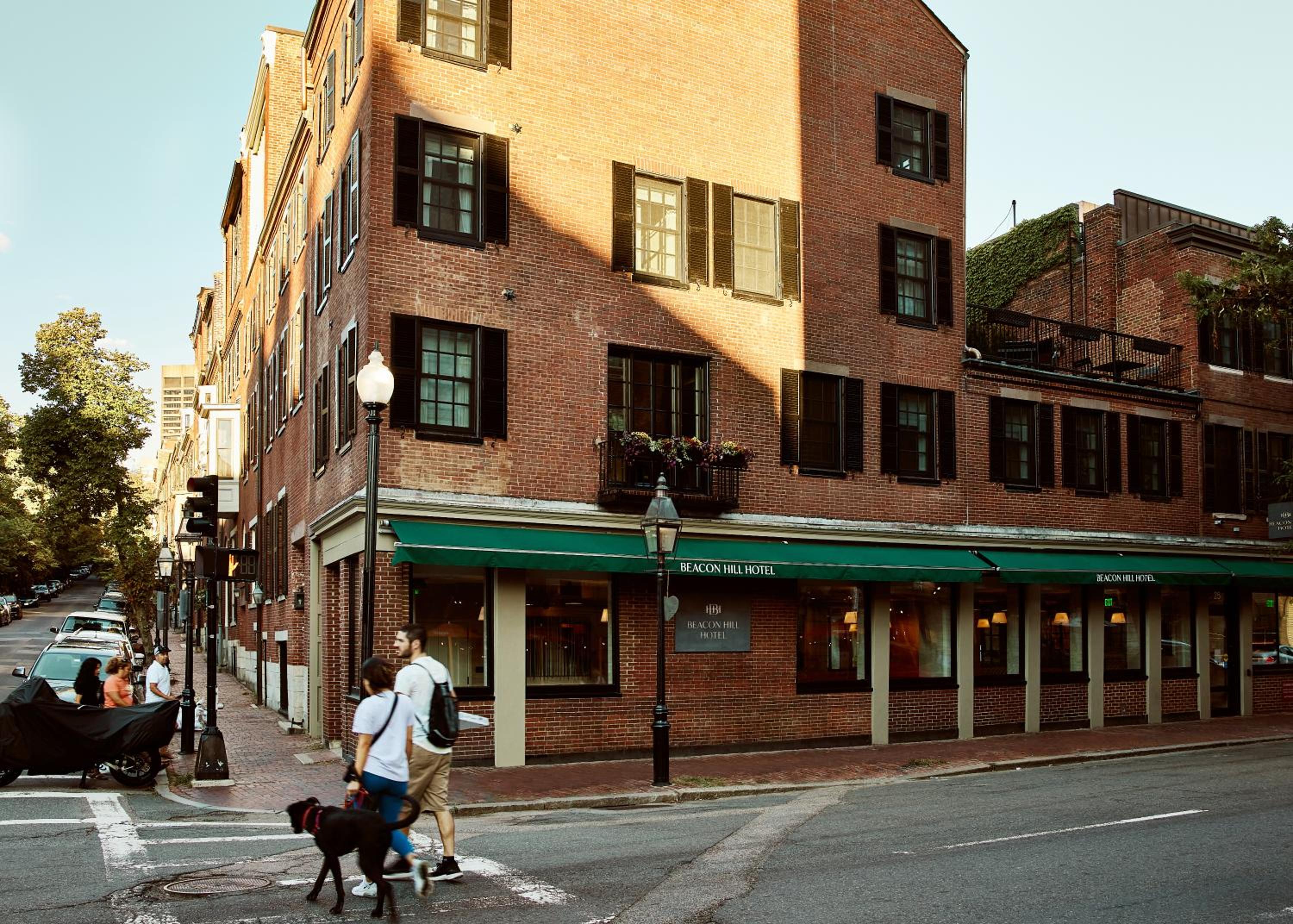
Beacon Hill Hotel
25 Charles Street, Boston

Moroccan Boutique Guest House
8 Salem Street, Boston
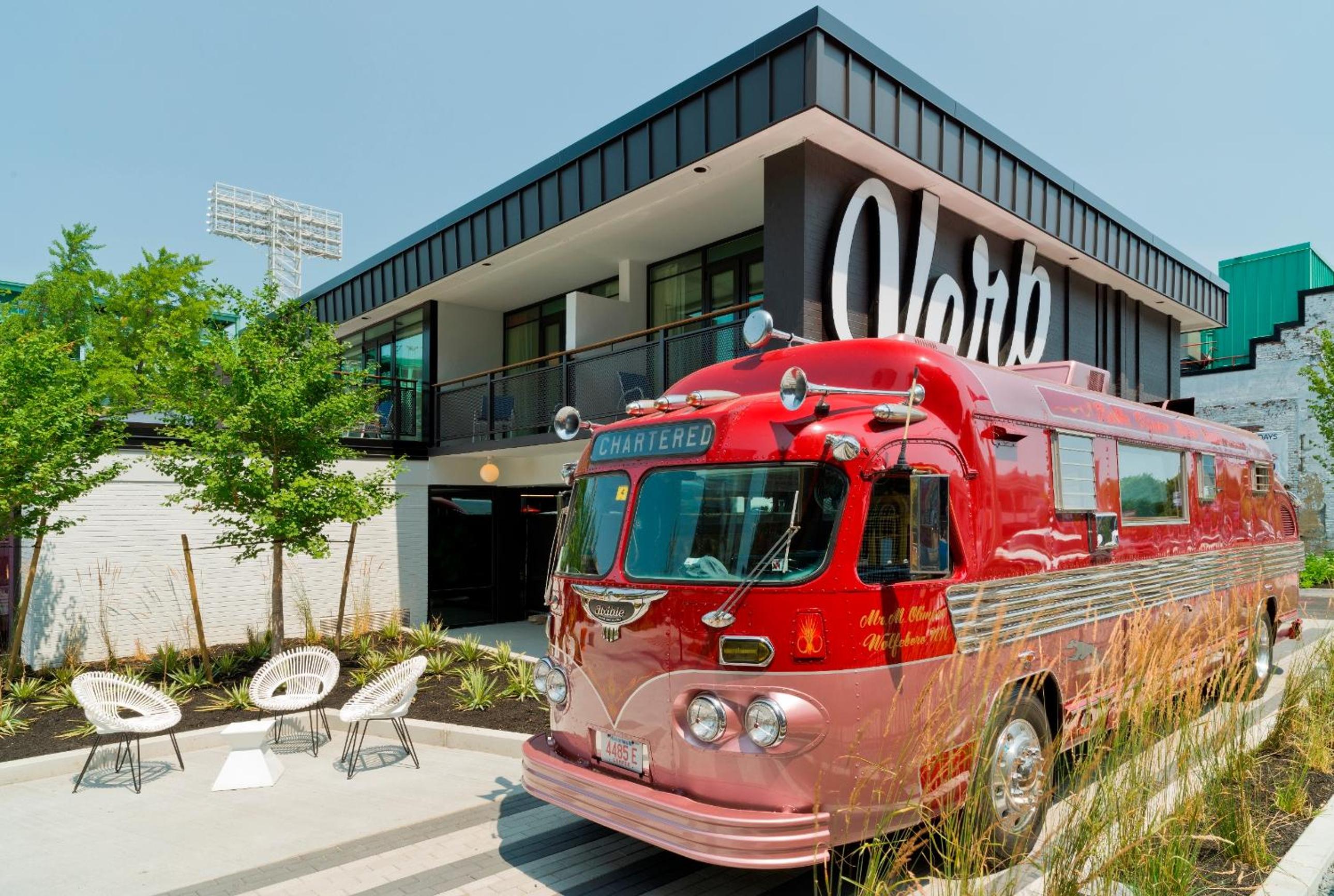
The Verb Hotel
1271 Boylston Street, Boston
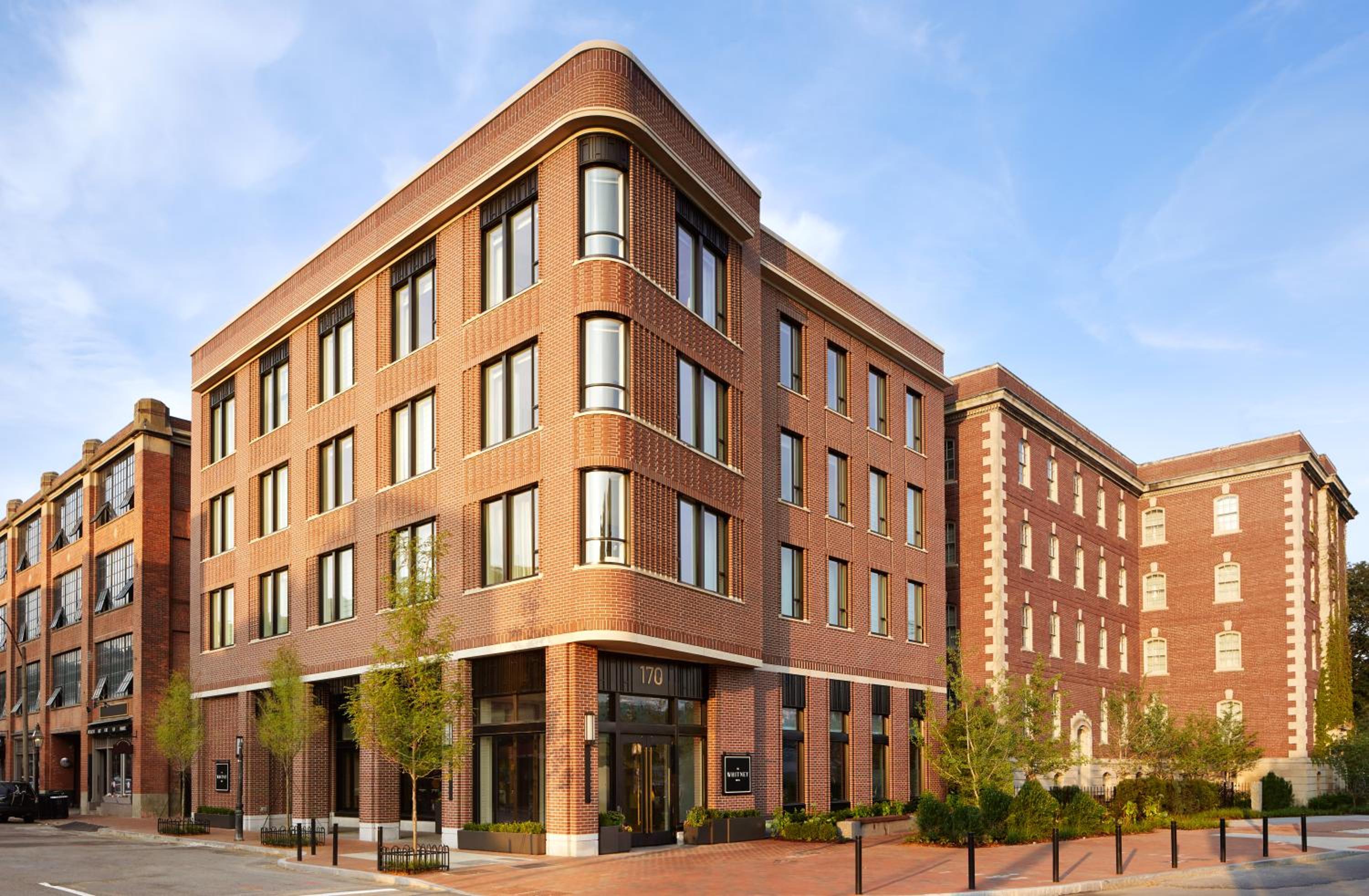
The Whitney Hotel Boston
170 Charles Street, Boston
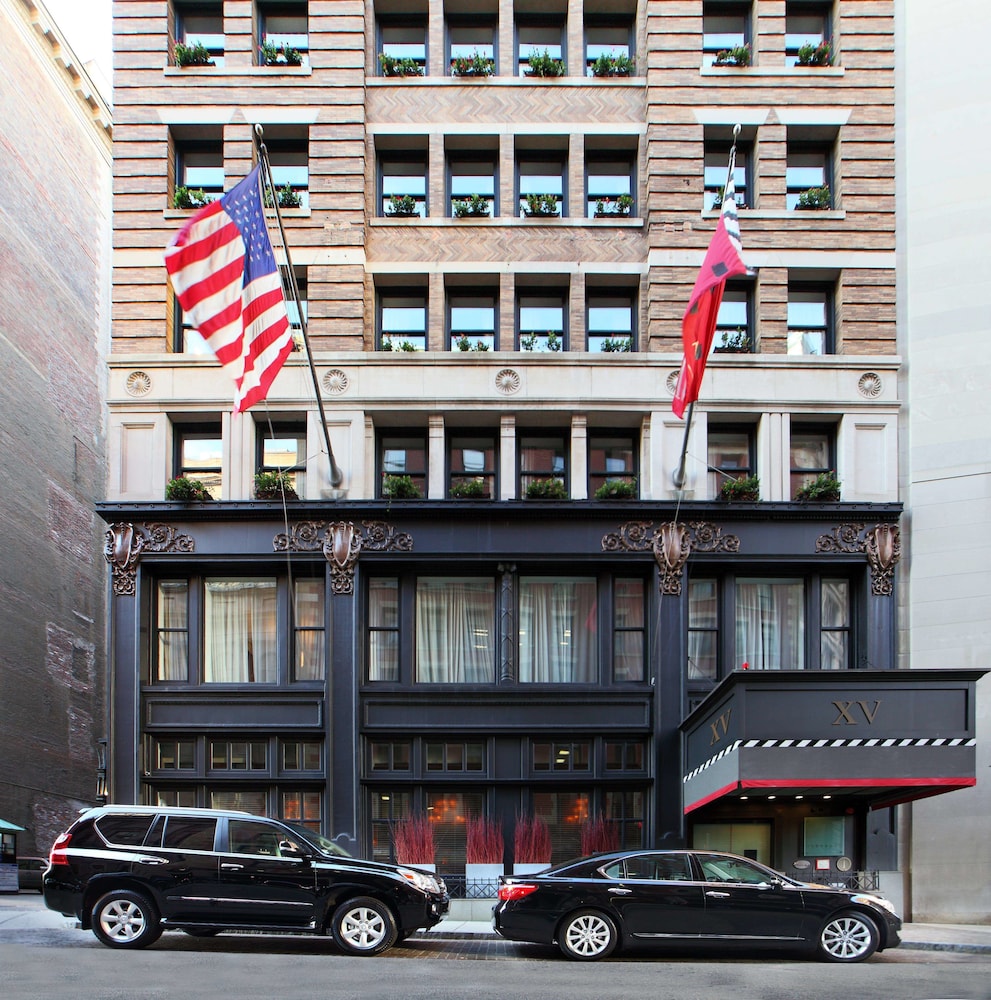
XV Beacon
15 Beacon St, Boston, Massachusetts, 02108, Boston
FAQs
Common Questions
We look at three factors: room count (preference for under 100 rooms), ownership structure (independent or small-group rather than a major chain flag), and a distinct design identity that reflects the property's location or concept. A hotel branded under Marriott, Hilton, or a similar mass-market flag does not qualify regardless of its size or sustainability record.
Tier 1 means an independent organisation, such as the US Green Building Council for LEED or the Foundation for Environmental Education for Green Key, has physically audited the property and verified it meets defined environmental standards. Tier 2 means the hotel has published specific, measurable sustainability results, such as a documented percentage reduction in energy or water use, without yet holding a formal third-party certification. Both tiers require verifiable evidence. Vague brand commitments do not qualify under either.
Yes, in a meaningful way. Every new building requires energy and materials to construct, a figure called embodied carbon. When a hotel operates within a structure built in the 1830s or 1950s, that embodied carbon has already been absorbed over decades of prior use. Choosing a property in a converted historic building avoids the carbon cost of new construction entirely, which can represent a larger footprint reduction than many operational efficiency measures.
Yes. The MBTA Silver Line SL1 runs from Logan Airport to South Station with no fare for the outbound airport leg. From South Station you can connect to the Red Line for Beacon Hill properties, or transfer to the Green Line for Fenway. The North End property at 8 Salem Street is a 4-minute walk from Haymarket, which you can reach via the Orange Line from Downtown Crossing. Travel time from the airport to most of these properties runs between 25 and 40 minutes by T.
Among the candidate properties on this list, XV Beacon holds LEED certification. The specific LEED tier (Platinum, Gold, Silver, or Certified) is confirmed as LEED certified by the US Green Building Council. No other boutique-scale property on this list currently holds a higher LEED designation. If you want a broader set of LEED-certified options that includes larger properties, we have a separate page for eco-friendly luxury hotels in Boston.
Both properties are five-star hotels with strong reputations, but neither meets the boutique criteria for this list. The Four Seasons One Dalton Street operates 215 rooms under a global chain flag, and Raffles Boston is part of the Accor-owned Raffles brand. Neither property has published third-party certification or specific measurable sustainability metrics that would qualify them under Tier 1 or Tier 2. Large chain lifestyle flags are excluded from this list regardless of their sustainability positioning.
Explore
Hotels in Boston
Explore More
Related Guides
Why Dyme
Travel Smarter. Make an Impact.
Every trip you book through Dyme funds renewable energy projects around the world. Same hotels, better prices, real change.
Stay in the loop
Travel deals, sustainability updates, and no spam. Ever.