
Boston is safe for tourists, especially in high-traffic areas like Back Bay, Beacon Hill, the North End, and Downtown Crossing. Crime exists, as it does in any major city, and a few neighborhoods warrant more caution after dark. Knowing where to go, what to watch for, and who to call puts you in a strong position before you arrive.
If you need help in Boston
- Emergency: Call 911
- Non-urgent issue: Call 311
- Suspicious MBTA activity: Text 69050 (MBTA Transit Police tip line)
- Mental health crisis: Call 988 (Suicide & Crisis Lifeline)
How safe Boston is by neighborhood
Back Bay, Beacon Hill, the North End, Charlestown, and the Seaport District are among the safest areas for visitors. You'll find heavy foot traffic, well-lit streets, and a consistent police presence in all of them. The Freedom Trail runs through several of these neighborhoods, so daytime crowds are thick from spring through fall.
Downtown Crossing and Government Center are busy during business hours but can feel sparse late at night. Exercise the same awareness you would in any urban core after 10 p.m., keep your phone out of sight, and stay on main streets.
Roxbury, Dorchester, and Mattapan have higher crime rates than the tourist-facing neighborhoods. Visitors rarely have reason to travel to these areas, but if you do, go during daylight, stay on main corridors, and avoid displaying expensive gear. These neighborhoods are not uniformly dangerous, but they require more situational awareness than, say, Newbury Street.
East Boston has improved considerably and is home to some well-regarded restaurants near Maverick Square, but parts of the neighborhood away from the main commercial strip are less polished. The Blue Line connects East Boston to downtown Boston in about 10 minutes, making it accessible without needing to navigate unfamiliar streets on foot.
Boston MBTA safety and getting around at night
The MBTA subway system, called the T, covers most tourist destinations in Boston. The Red, Green, Blue, and Orange lines all stop at or near major attractions, and the system runs until roughly 12:30 a.m. on weekdays and 1:30 a.m. on weekends.
Platforms at major stations like Park Street, Downtown Crossing, and South Station are staffed and well-lit. Smaller stations on the outer ends of lines, particularly late at night, can feel isolated. If you're heading back to your hotel after midnight, the Green Line's B branch through Allston and the Orange Line south of Forest Hills are quieter and worth extra attention.
The MBTA Transit Police operate a text tip line at 69050. You can text a description of suspicious activity and your location without making a phone call. The MBTA Transit Police also patrol stations and trains, and you'll see them regularly at busy hubs.
Rideshare apps like Uber and Lyft are widely available and a practical option after the T stops running. Confirm your driver's name and plate before getting in, and request your ride from inside a bar, restaurant, or hotel lobby rather than standing on the sidewalk.
Boston neighborhood safety at a glance
| Neighborhood | Safety level for tourists | Best for | Extra caution needed |
|---|---|---|---|
| Back Bay | High | Shopping, dining, hotels | No |
| Beacon Hill | High | Walking, sightseeing | No |
| North End | High | Food, Freedom Trail | No |
| Seaport District | High | Museums, waterfront | No |
| Downtown Crossing | Moderate | Shopping, transit hub | After 10 p.m. |
| Charlestown | High | USS Constitution, Bunker Hill | No |
| East Boston | Moderate | Restaurants near Maverick Sq. | Away from main strip |
| Roxbury | Lower for tourists | Limited tourist draw | Yes, especially at night |
| Dorchester | Lower for tourists | Local neighborhoods | Yes, especially at night |
| Mattapan | Lower for tourists | Limited tourist draw | Yes, especially at night |
Emergency numbers and medical resources in Boston
For any emergency in Boston, call 911. Boston EMS, Boston Police, and Boston Fire all dispatch through the same number.
For non-emergency police matters, call the Boston Police Department's non-emergency line at 617-343-4633. You can also walk into any district station. The nearest station to most tourist areas is District 1, located at 40 New Sudbury Street, which covers Downtown, the North End, and Charlestown.
Massachusetts General Hospital, one of the country's top-ranked hospitals, sits at 55 Fruit Street and is a 10-minute walk from the Charles/MGH Red Line station. Tufts Medical Center is at 800 Washington Street, steps from the Orange Line's Tufts Medical Center stop. Both have 24-hour emergency departments.
For urgent care that doesn't require an ER visit, CareWell Urgent Care operates a location at 133 Federal Street in Boston's Financial District, open seven days a week. CVS MinuteClinics are scattered across the city, including locations in Back Bay and near Government Center.
Common scams and petty crime tourists encounter
Pickpocketing is the most common issue tourists face in Boston, particularly on the Green Line during Red Sox games at Fenway Park and in crowded areas like Quincy Market. Keep your wallet in a front pocket and use a crossbody bag with a zipper.
Card skimming at ATMs has been reported at standalone machines in convenience stores and bars. Use ATMs inside bank branches when possible. Bank of America, Citizens, and TD Bank all have branches with indoor ATMs throughout Back Bay and Downtown Boston.
Street hustles near Downtown Crossing and around the Theater District occasionally target tourists. If someone approaches you with an unsolicited offer or asks you to sign something, walk away. Boston's street scene is generally low-pressure, but staying alert costs nothing.
Taxi overcharging is rare but possible if you hail a cab rather than using a metered rideshare. Confirm the meter is running at the start of any cab ride, or use Uber or Lyft where pricing is transparent before you confirm the trip.
Practical safety tips for visiting Boston
- Download the MBTA app before you arrive so you can check real-time train locations and plan routes without standing at a map in an unfamiliar Boston station.
- Save the Boston Police non-emergency number (617-343-4633) in your phone for situations that don't require 911.
- If you're attending a Red Sox game at Fenway Park (Kenmore Square, Green Line D branch), leave 20 minutes before the final out to avoid the post-game crowd surge on the T.
- Use the BPD's online tip portal at boston.gov to report non-urgent concerns to Boston Police without calling.
- Carry a physical copy of your hotel address. GPS can be unreliable in the narrow streets of Beacon Hill and the North End, and having the address on paper lets any local or officer help you quickly.
Official sources for Boston safety information
- Boston Police Department: crime statistics, district station locations, and online reporting tools
- MBTA Transit Police: transit safety tips, the 69050 text tip line, and lost-and-found contacts
- Boston Public Health Commission: health alerts, mental health resources, and emergency preparedness information
- Massachusetts General Hospital Emergency: 24-hour emergency department at 55 Fruit Street, reachable at 617-726-2000
FAQs
Common Questions
Back Bay, Beacon Hill, and the North End consistently rank as the safest areas for visitors. All three have high foot traffic, good lighting, and frequent police patrols. The North End is particularly walkable and well-monitored, given its density of restaurants and proximity to the Freedom Trail.
Most tourist-facing neighborhoods are fine at night, particularly Back Bay, the Seaport, and Beacon Hill. Downtown Crossing and areas around the Theater District are busier earlier in the evening and quieter after midnight, so stick to well-lit main streets. Roxbury, Dorchester, and Mattapan require more caution after dark, and most visitors have little reason to be in those areas at night.
Call 911 for any emergency involving police, fire, or medical help. For non-emergency police matters, call 617-343-4633. If you're on the MBTA and see something suspicious, text 69050 to reach the MBTA Transit Police tip line without making a call.
The T is safe for the vast majority of riders. Major stations like Park Street, South Station, and Downtown Crossing are staffed and well-lit. Late-night travel on quieter outer branches warrants more awareness, and the MBTA Transit Police patrol trains and platforms. The text tip line at 69050 lets you report concerns without drawing attention.
Massachusetts General Hospital is at [55 Fruit Street](https://maps.google.com/?q=55+Fruit+Street+Boston+MA), about a 10-minute walk from the Charles/MGH Red Line station. It has a 24-hour emergency department and is one of the most accessible major hospitals from the downtown core. Tufts Medical Center on Washington Street is another option, directly on the Orange Line.
Petty theft, particularly pickpocketing on crowded T trains and at tourist-heavy spots like Quincy Market, is the most common issue. Keep valuables in front pockets or a zipped bag, use bank ATMs rather than standalone machines, and stay aware in crowded transit situations. Violent crime targeting tourists is rare in the main visitor areas of Boston.
Explore
Hotels in Boston
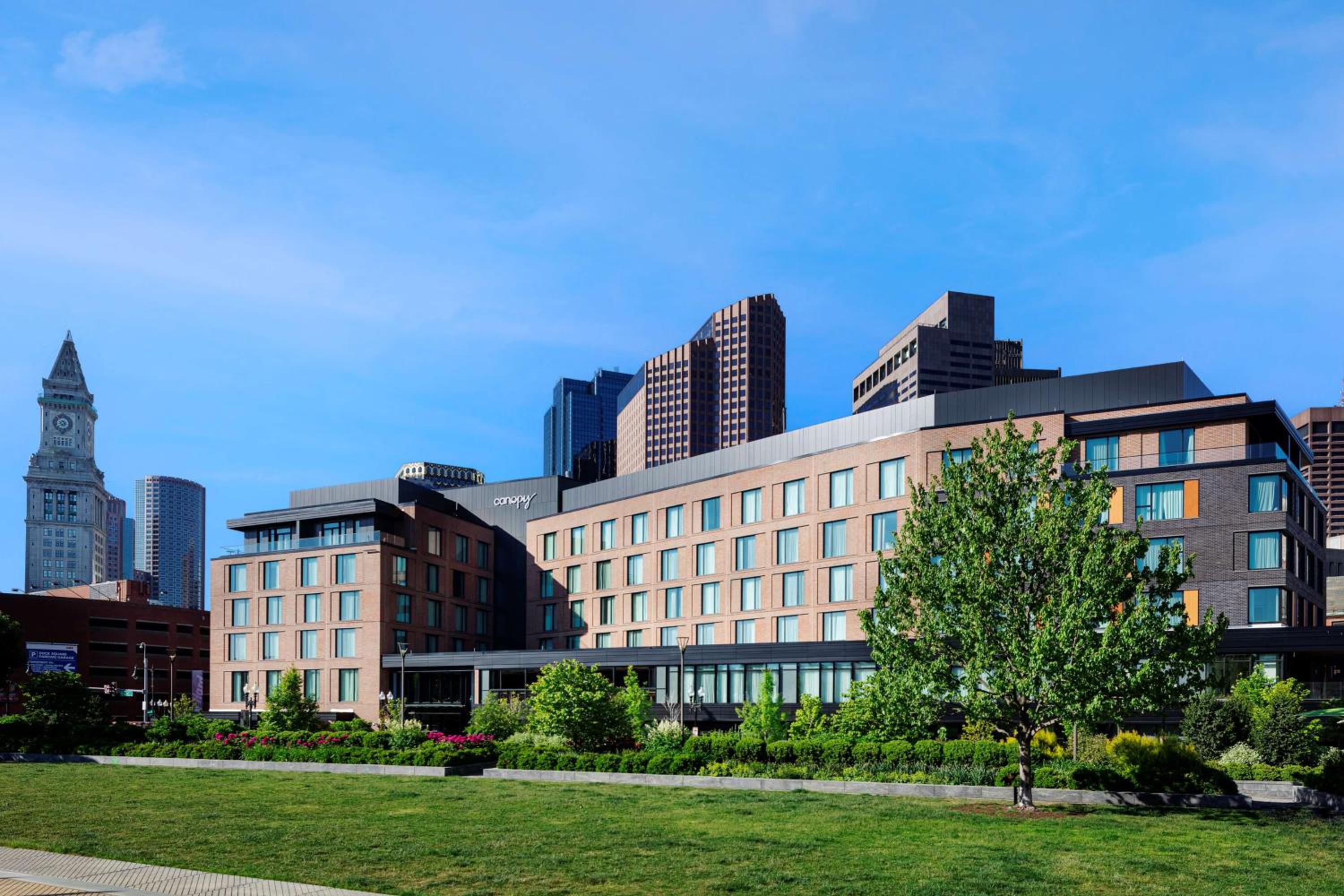
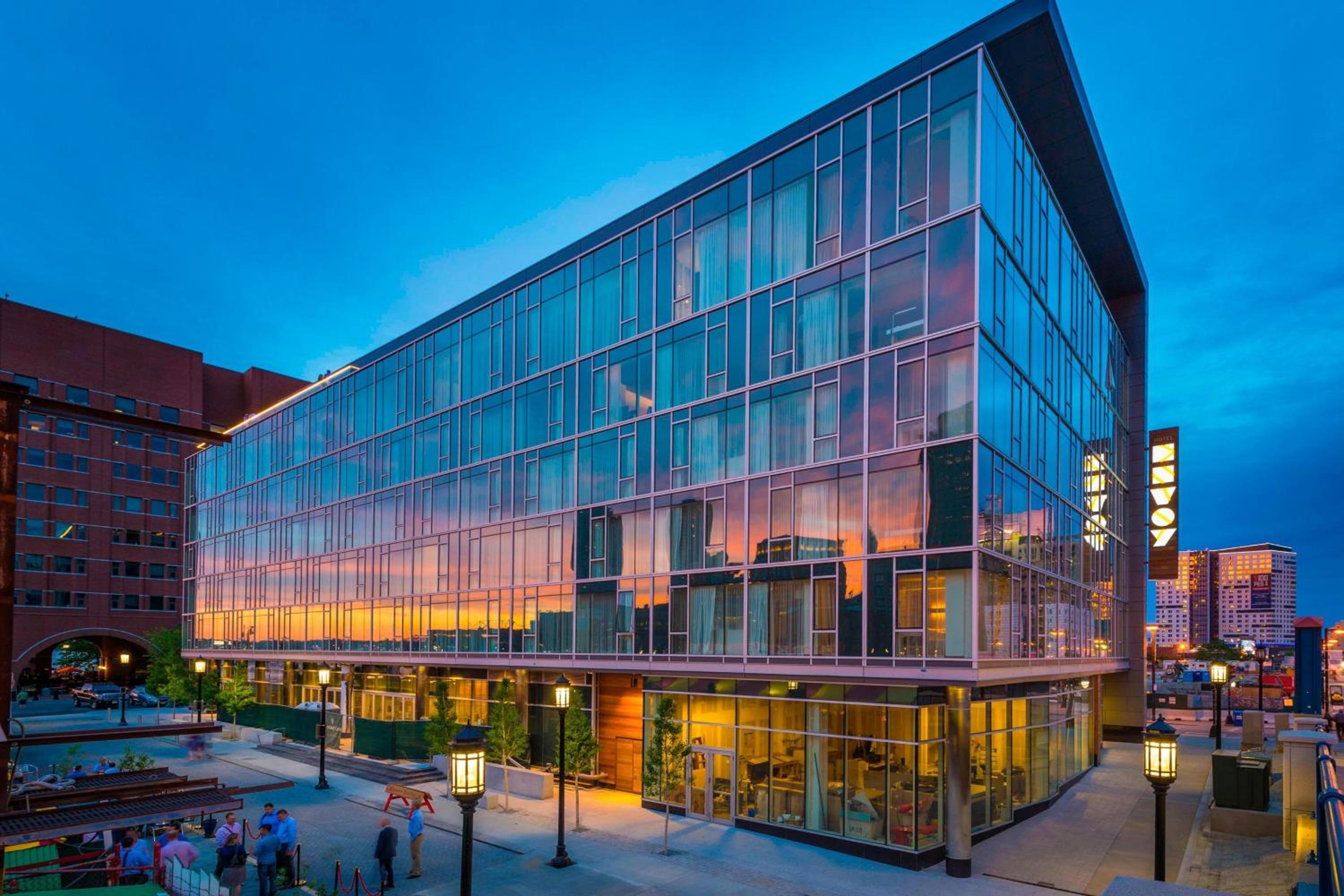
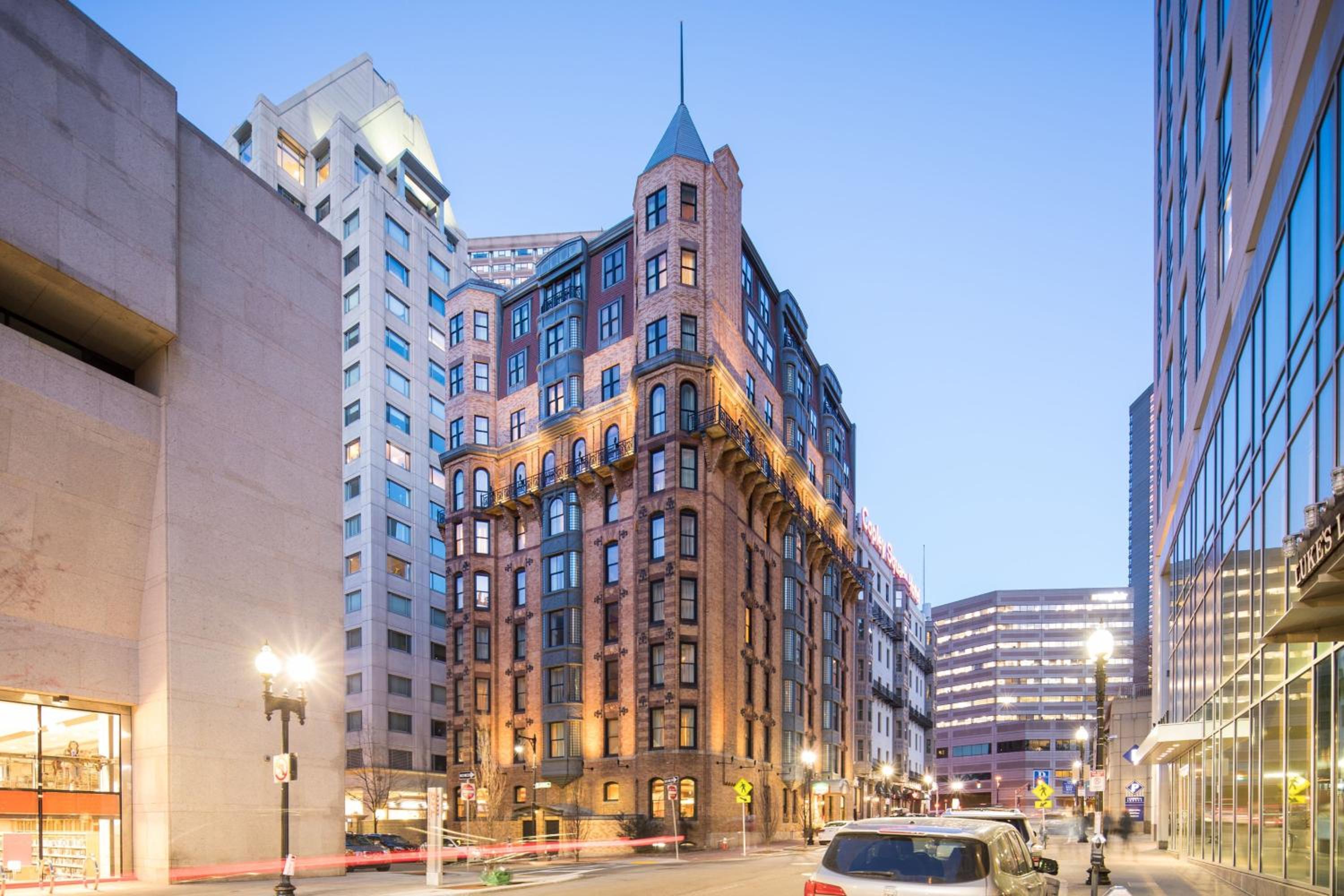
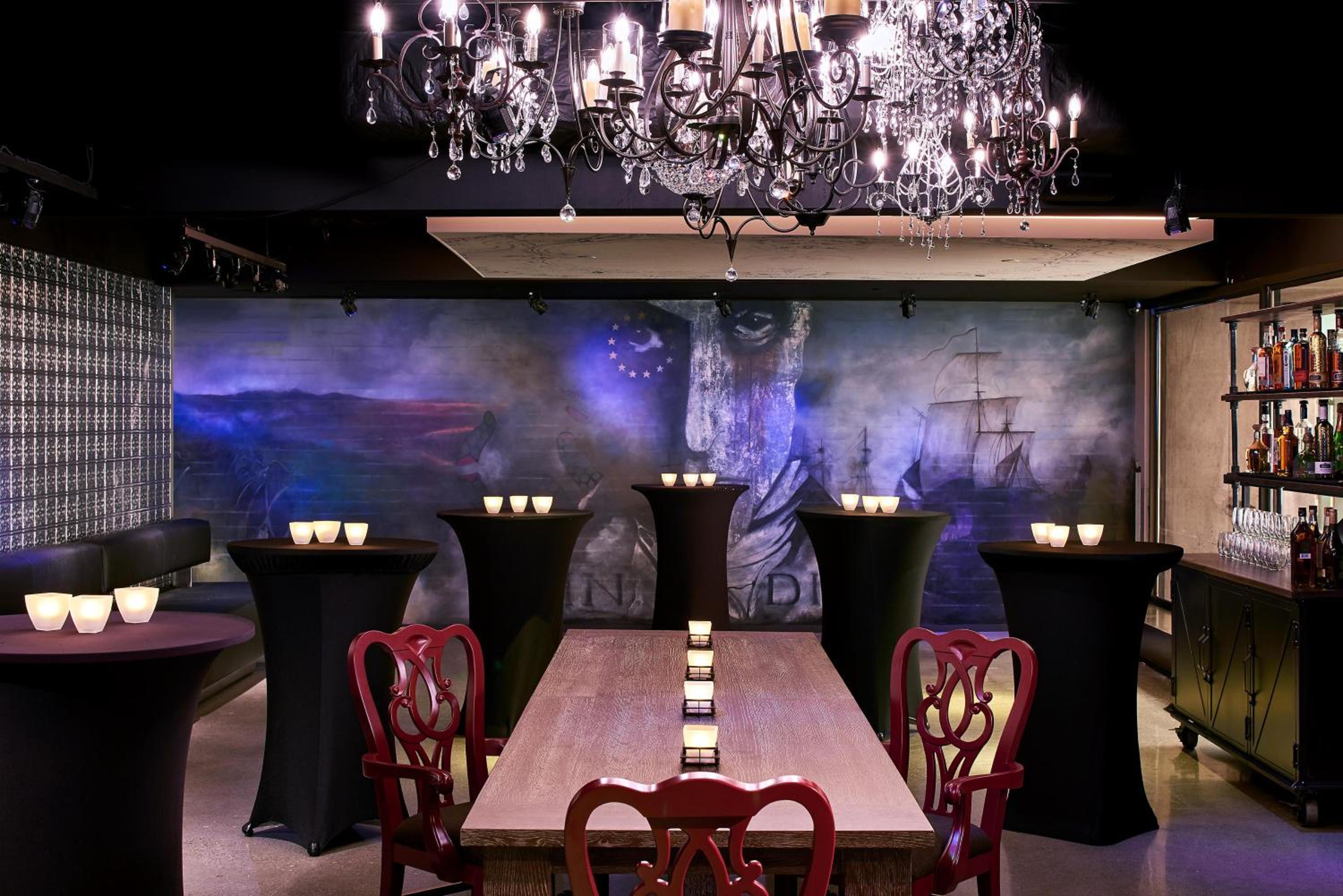
Explore More
Related Guides
Do I need a car in New York City? Subway, buses, and getting around
Most visitors don't need a car in New York City. Here's how to get around NYC using the subway, ferries, bikes, and taxis instead.
City GuideMedical help in NYC: hospitals, urgent care, and pharmacies
Hospitals, urgent care, and 24-hour pharmacies in NYC by neighborhood. Midtown, Times Square, Upper East Side, and Brooklyn covered.
City GuideBoston travel tips: what every visitor needs to know
Practical Boston travel tips covering the MBTA, airport transfers, neighborhoods, and how to save money in Boston. Updated for 2025.
Stay in the loop
Travel deals, sustainability updates, and no spam. Ever.