
Dallas is generally safe for tourists in high-traffic areas like Uptown, Downtown, and the Arts District, but safety varies by neighborhood. Most visitors move through the city without incident, but knowing which areas to favor and which to approach with caution makes a real difference.
If you need help in Dallas
- Emergency: Call 911
- Non-urgent issue: Call 311
- Suspicious DART rail activity: Text 214-393-DART (3278)
- Mental health crisis: Call 988 (Suicide & Crisis Lifeline)
Which Dallas neighborhoods are safe for tourists?
Uptown Dallas, roughly the stretch along McKinney Avenue between downtown and Knox-Henderson, draws heavy foot traffic day and night. Restaurants, bars, and the McKinney Avenue Trolley keep the streets active, and you rarely feel isolated there.
The Arts District, anchored by the Winspear Opera House at 2403 Flora Street and the Nasher Sculpture Center, is well-patrolled and well-lit. Crowds thin after evening performances, so walk back to your hotel or grab a rideshare rather than wandering side streets.
Deep Ellum sits east of downtown and hosts Dallas's best live music venues. The main strip along Commerce Street and Elm Street is busy on weekends, but the blocks immediately north and south get quiet fast. Stay on the main drag, especially after midnight.
The Bishop Arts District in Oak Cliff has gentrified considerably, and the core blocks around Bishop Avenue feel comfortable for an evening out. The surrounding Oak Cliff streets require more awareness, particularly if you park several blocks away.
Downtown Dallas itself is a mixed picture. The Main Street corridor, Klyde Warren Park, and the West End Historic District see steady tourist traffic. Blocks east of Good-Latimer Expressway and south of I-30 see higher rates of property crime and are worth avoiding on foot at night.
Areas where tourists should exercise more caution
South Dallas, west of the Bishop Arts core, and parts of East Dallas beyond the White Rock Lake area have higher violent crime rates than the tourist corridors. The Dallas Police Department's crime mapping tool lets you check incident data by address before you go anywhere unfamiliar.
Fair Park, home to the State Fair of Texas grounds, sits in a neighborhood that sees elevated crime outside of major events. During the State Fair (late September through mid-October), the area is heavily staffed and generally fine. On a random Tuesday in February, walking from the DART Green Line station to the park entrance alone is a different calculation.
The area around the Greyhound bus station near downtown and parts of Lamar Street south of the convention center have consistent reports of aggressive panhandling and occasional theft. Keep your phone in your pocket and your bag in front of you in those blocks.
Safety in Dallas is closely tied to where you stay, with most hotels concentrated in Uptown, Downtown, and the Arts District.
Dallas neighborhood safety at a glance
| Neighborhood | Tourist safety level | Best for | Caution notes |
|---|---|---|---|
| Uptown | High | Dining, nightlife, hotels | Minimal concerns; busy streets most hours |
| Arts District | High | Museums, performances | Side streets quiet after 10 PM |
| Deep Ellum | Moderate-High | Live music, bars | Stay on Commerce/Elm; avoid side blocks late |
| Bishop Arts District | Moderate | Boutiques, restaurants | Park close; surrounding streets less safe |
| Downtown (Main St/West End) | Moderate | Sightseeing, conventions | Avoid blocks east of Good-Latimer at night |
| Fair Park | Low (outside events) | State Fair, museums | Go during events only; check DPD crime map |
| South Dallas | Low | Not a tourist area | High violent crime; avoid unless with a local |
Getting around Dallas safely on DART
DART (Dallas Area Rapid Transit) runs four light rail lines connecting downtown to major tourist areas. The Green and Orange lines stop at Fair Park. The Red and Blue lines serve Uptown via the Pearl/Arts District station. Trains run from roughly 5 AM to midnight on weekdays, with reduced hours on weekends.
During peak hours, DART trains are busy and generally safe. Late-night trains, particularly on the Green Line east of downtown, can attract a rougher crowd. If you're heading back from a Deep Ellum show after midnight, a rideshare from the venue door is a better call than the 10-minute walk to the DART station.
DART's security team monitors stations and trains. You can text suspicious activity to 214-393-DART (3278) without making a phone call. The Pearl/Arts District station and Cityplace/Uptown station are the two you'll use most as a tourist, and both are well-maintained and staffed during operating hours.
Emergency services and hospitals near tourist areas
For any emergency, call 911. Dallas Fire-Rescue and Dallas Police Department both dispatch from that number. The non-emergency police line is 214-744-4444 for situations that don't require immediate response.
For urgent care that doesn't require an ER, CareNow Urgent Care operates multiple Dallas locations, including one at 4100 Lemmon Avenue, a 5-minute drive from Uptown. Walk-in hours run 8 AM to 8 PM daily.
Practical safety habits that work in Dallas
Download the DART GoPass app before you arrive. You buy and store rail tickets there, which means you're not fumbling with a ticket machine at an unfamiliar station. It also shows real-time train arrivals so you're not standing on a platform longer than necessary.
Use rideshare apps, Uber or Lyft, for any trip after 11 PM outside of Uptown's core. Dallas is a driving city, and the gaps between safe zones are wider than they look on a map. A 0.4-mile walk that looks fine on Google Maps can cross two or three very different blocks.
Keep a photo of your hotel's address saved on your phone, not just the name. If your battery dies or you lose signal, you can show a cab driver or passerby the address without needing data.
The Dallas Police Department's crime mapping tool updates weekly. Spend two minutes checking it for the specific blocks around your hotel before you check in. It's more useful than any general neighborhood rating.
Official sources for Dallas safety information
- Dallas Police Department — crime mapping, non-emergency contacts, and community alerts
- DART (Dallas Area Rapid Transit) — system maps, GoPass app, and security contacts
- City of Dallas 311 — non-emergency city services and reporting
- Texas Department of State Health Services — health alerts and medical resources statewide
FAQs
Common Questions
Uptown Dallas is the most consistently safe area for tourists, with busy streets, heavy restaurant and bar foot traffic, and good lighting most hours of the day and night. The Arts District and Klyde Warren Park area downtown are close seconds. All three sit within a short DART ride or rideshare of each other, so you can base yourself in Uptown and reach most major attractions without crossing into lower-safety zones.
Deep Ellum is reasonably safe on the main strip along Commerce Street and Elm Street, particularly Thursday through Saturday when venues are busy and crowds are thick. The blocks immediately north and south of that corridor get quiet fast, and isolated streets after midnight carry more risk. Stick to the lit main drag, go with at least one other person if possible, and use a rideshare to get back to your hotel rather than walking to the DART station late.
Call 911 for any emergency involving police, fire, or medical response. For non-urgent issues, call 311 or the Dallas Police non-emergency line at 214-744-4444. If you're on DART and see something suspicious, text 214-393-DART (3278) without making a call. For a mental health crisis, call or text 988 to reach the Suicide and Crisis Lifeline.
Dallas rewards selective walking. Uptown, the Arts District, and the West End Historic District are all walkable during the day and into the evening. The city's layout means that safe and less-safe blocks can sit right next to each other, so walking long distances between neighborhoods is riskier than it looks on a map. Use DART or rideshare to bridge gaps between areas, and check the Dallas Police Department's crime mapping tool for specific blocks before you explore on foot.
Baylor Scott & White Medical Center at Uptown, located at [411 N. Washington Avenue](https://maps.google.com/?q=411+N+Washington+Avenue+Dallas+TX+75246), is the closest full-service hospital to the Uptown corridor. For trauma-level emergencies, Parkland Memorial Hospital at [5200 Harry Hines Boulevard](https://maps.google.com/?q=5200+Harry+Hines+Boulevard+Dallas+TX+75235) is the main Level I trauma center, about 2 miles northwest of downtown. For non-emergency urgent care, CareNow at [4100 Lemmon Avenue](https://maps.google.com/?q=4100+Lemmon+Avenue+Dallas+TX+75219) is open 8 AM to 8 PM daily.
DART rail is safe during peak hours and on the lines tourists use most, particularly the Red and Blue lines through the Pearl/Arts District and Cityplace/Uptown stations. Late-night trains on the Green Line east of downtown attract a rougher crowd, and the platform experience varies by station. DART has a dedicated security team, and you can text suspicious activity to 214-393-DART (3278). For late-night returns from Deep Ellum or Fair Park, a rideshare from the venue is a more predictable option than waiting on a quiet platform.
Explore
Hotels in Dallas
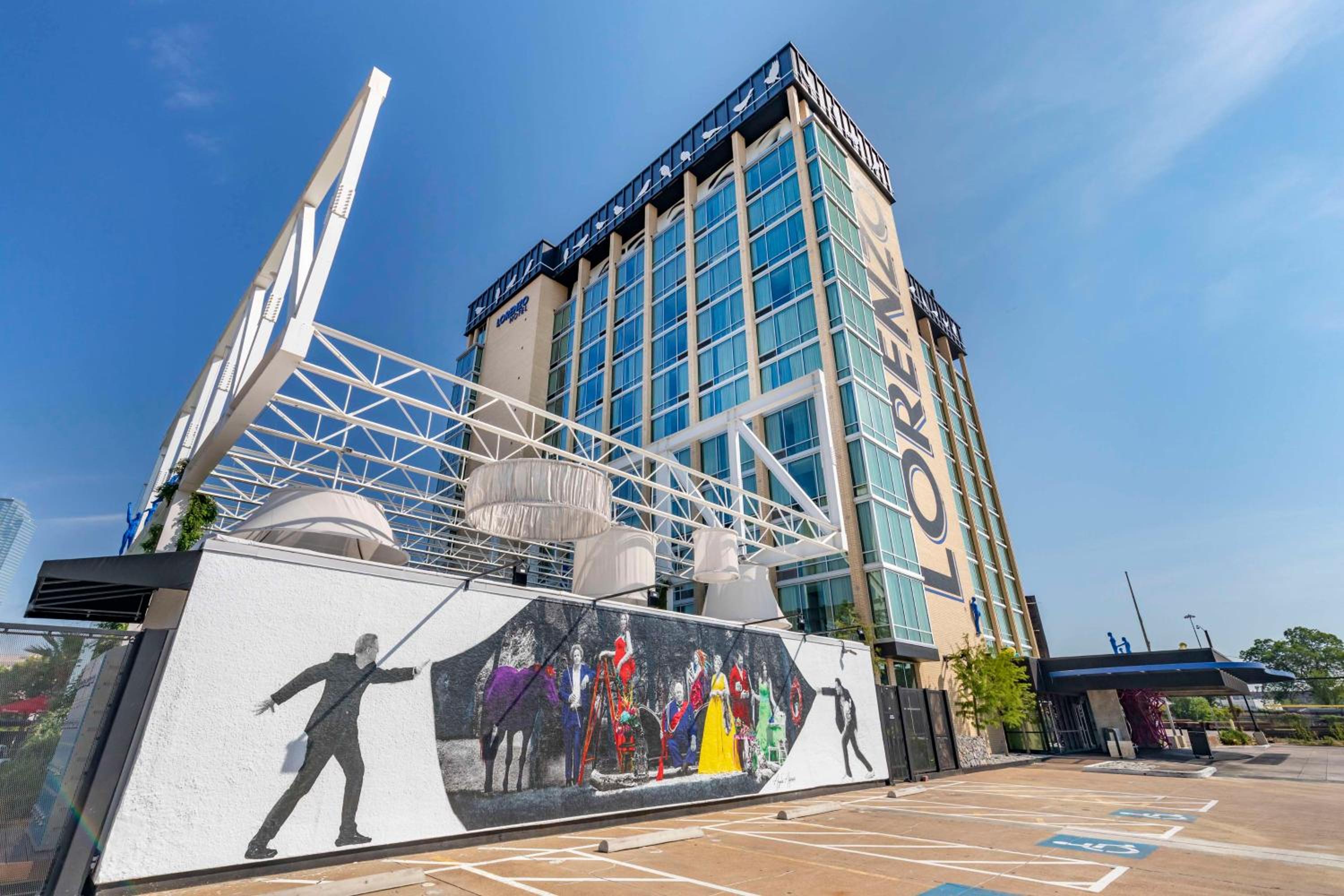
Lorenzo Hotel Dallas, Tapestry Collection by Hilton
1011 South Akard
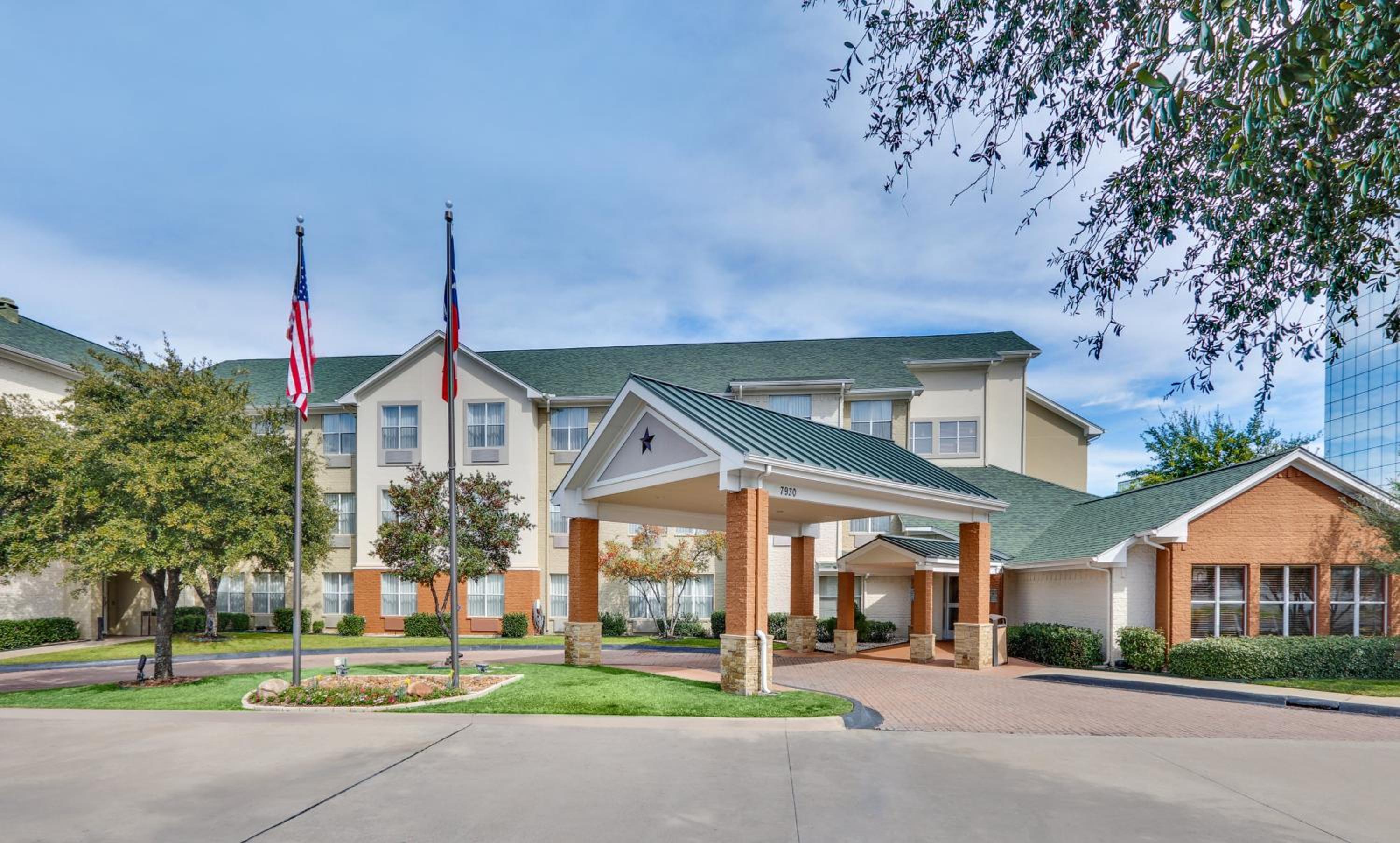
Candlewood Suites Dallas Market Center-Love Field by IHG
7930 North Stemmons Freeway
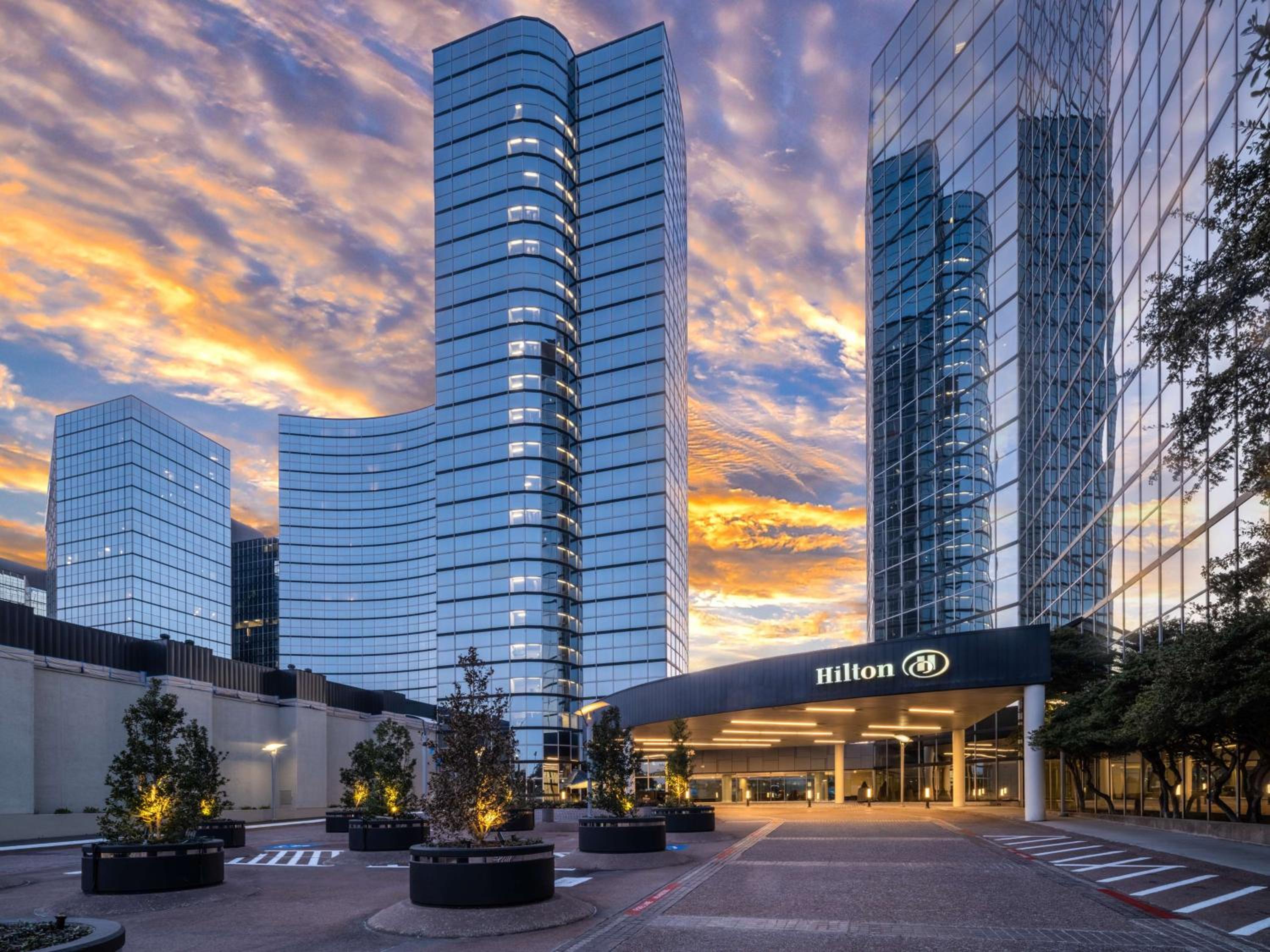
Hilton Dallas Lincoln Centre by the Galleria
5410 Lyndon B. Johnson Freeway
Homewood Suites Dallas Downtown
1025 Elm Street
Explore More
Related Guides
Medical help in Dallas: hospitals, urgent care, and pharmacies
Where to get medical help in Dallas, including hospitals, urgent care clinics, and 24-hour pharmacies by area.
City GuideDo I need a car in New York City? Subway, buses, and getting around
Most visitors don't need a car in New York City. Here's how to get around NYC using the subway, ferries, bikes, and taxis instead.
Stay in the loop
Travel deals, sustainability updates, and no spam. Ever.