
These NYC travel tips cut through the noise so you spend less time confused and more time actually seeing the city. New York rewards travelers who know a few ground rules — how the subway works, where to eat without overpaying, which neighborhoods suit which budgets. Get those basics right and the city opens up fast.
Key facts at a glance
- Subway base fare: $2.90 per ride with an OMNY tap or MetroCard as of 2025. Weekly unlimited MetroCard: $34. Source: MTA
- NYC taxis charge a $3.00 base fare plus $0.70 per 1/5 mile. Rideshares add a $2.75 congestion surcharge below 96th Street in Manhattan.
- The NYC Ferry costs $4.00 per ride and connects Brooklyn, Queens, the Bronx, and Lower Manhattan.
- Free attractions include Central Park (843 acres), the Staten Island Ferry (runs 24/7), and the High Line (Gansevoort St to 34th St, open 7am–10pm most days).
- Average hotel rate in Midtown Manhattan: $280–$420/night in 2025. Budget hostels in Harlem or Bushwick run $50–$90/night.
- NYC's 311 service (call or text 311) handles non-emergency city questions 24/7, including transit disruptions and neighborhood noise complaints.
- Tap water from NYC taps meets federal standards and comes from Catskill and Delaware watershed reservoirs — carry a reusable bottle and skip the $4 plastic ones.
- Sales tax on most goods is 8.875%. Clothing and footwear under $110 per item are exempt from state and city tax.
How to get around NYC without overpaying
The subway runs 24 hours a day, 7 days a week across 472 stations — no other major transit system in the world matches that schedule. For most visitors, it covers everything from JFK Airport (A train, about 55 minutes to Midtown) to Coney Island to the Bronx Zoo.
OMNY, the tap-to-pay system, works with any contactless credit card, debit card, or phone wallet. You tap at the turnstile and pay $2.90 per ride with no card purchase needed. If you plan to ride more than 12 times in a week, a 7-day unlimited MetroCard at $34 saves you money — buy one at any station vending machine.
Avoid yellow cabs during Midtown rush hours (7–9am and 4–7pm on weekdays). Traffic between 34th and 59th Streets can turn a 10-block ride into a 25-minute crawl. The subway or a Citi Bike (day pass: $15, available at 1,800+ docking stations) moves faster in those windows.
For airport transfers, the AirTrain to JFK connects at Jamaica or Howard Beach stations. The full trip from Midtown costs $9.75 total ($7.75 AirTrain + $2.90 subway, minus the transfer discount). Newark Airport uses NJ Transit from Penn Station — about $17 each way and 30 minutes.
NYC airport transfer options compared
| Airport | Transit option | Approx. cost | Approx. time from Midtown |
|---|---|---|---|
| JFK | A train + AirTrain | $9.75 | 55–70 min |
| JFK | Taxi (flat rate) | $70 + tolls + tip | 45–75 min |
| LGA | Q70 bus + subway | $2.90 | 40–55 min |
| LGA | Rideshare | $35–$60 | 25–50 min |
| EWR | NJ Transit from Penn Station | $17 | 25–35 min |
| EWR | Taxi/rideshare | $60–$90 + tolls | 35–60 min |
Insider tips for NYC neighborhoods: where to stay by budget and vibe
Midtown Manhattan puts you within walking distance of Times Square, the Empire State Building, and Grand Central Terminal, but hotel rates reflect that convenience. Expect to pay a premium for the address.
For travelers who want Manhattan access without Midtown prices, the Upper West Side (between 59th and 110th Streets on the west side) offers quieter streets, direct subway access on the 1, 2, and 3 lines, and proximity to Central Park and the American Museum of Natural History. Hotels here often run $60–$100 less per night than comparable Midtown properties.
Brooklyn neighborhoods like Williamsburg and Park Slope give you a different experience entirely. Williamsburg sits one stop from Manhattan on the L train (Bedford Ave station), with a dense concentration of restaurants, bars, and independent shops along Bedford Avenue and North 7th Street. Park Slope borders Prospect Park and draws families and long-term visitors who want a residential feel.
Harlem, particularly around 125th Street, has seen significant hotel development since 2018. Rates run lower than Midtown, the 2/3 express train reaches Times Square in under 15 minutes, and the food scene along Malcolm X Boulevard and Frederick Douglass Boulevard rewards exploration.
How to save money in NYC on food, attractions, and transport
The NYC tourist trap tax is real, but avoidable. A $7 slice of pizza near Times Square is the same product as a $3.50 slice four blocks away — the markup is purely geographic. Walk two or three blocks off any major tourist corridor and prices drop.
The NYC Ferry at $4.00 per ride doubles as a sightseeing cruise. The East River route from Wall Street to DUMBO to Long Island City gives you unobstructed skyline views that a dedicated boat tour charges $40–$60 to replicate.
Museum pricing has a workaround most visitors miss. The Metropolitan Museum of Art at 1000 Fifth Avenue charges $30 for adults, but New York State residents and students pay what they wish. The Brooklyn Museum at 200 Eastern Parkway offers free first Saturdays (5pm–11pm) each month. MoMA is free every Friday evening from 5:30pm to 9pm, funded by Uniqlo.
The NYC Pass and New York CityPASS bundle major attractions at 20–40% off face value. CityPASS covers the Empire State Building, American Museum of Natural History, the Met, and three other venues for $142 per adult versus roughly $230 if purchased separately.
Practical tips for first-time visitors
- Use OMNY tap-to-pay at subway turnstiles with any contactless card — no MetroCard purchase needed for occasional riders.
- Download the MTA app for real-time service alerts. The G train and L train see frequent weekend diversions that catch visitors off guard.
- Book observation deck tickets online in advance. The Empire State Building sells timed-entry tickets that skip the 45-minute walk-up line.
- Carry small bills for cash-only spots. Many old-school delis, pizza counters, and food carts in outer boroughs don't take cards.
- Tip 18–20% at sit-down restaurants. NYC servers earn a base wage of $10/hour (2025 tipped minimum), and tips make up the majority of their income.
- The Staten Island Ferry from Whitehall Terminal in Lower Manhattan runs every 30 minutes and gives you a direct view of the Statue of Liberty at no cost.
- Avoid the Midtown pedestrian crush between 5pm and 6:30pm on weekdays, especially on 42nd Street between Times Square and Grand Central.
NYC subway tips: reading the system like a local
The subway map looks chaotic until you understand one rule: letters and numbers share tracks but stop at different stations. The A train skips stops the C train makes on the same line. Check the front of the train and the platform signs, not just the line color.
Express trains (marked with a filled circle on the map) skip local stops and run on the center tracks. If you're going from 14th Street to 72nd Street on the Upper West Side, the 2 or 3 express gets you there in about 8 minutes. The 1 local takes closer to 14 minutes.
Weekend service changes are the biggest source of confusion for visitors. The MTA reroutes trains for maintenance almost every weekend, and the changes vary week to week. Check the MTA weekend service page before Saturday morning travel, or use Google Maps, which pulls live MTA data and reroutes you automatically.
CitiBike fills the gaps the subway misses. The docking stations are dense in Manhattan below 110th Street and in northwest Brooklyn. A single ride under 30 minutes costs $4.49 without a membership, or you can buy a day pass for $15 that covers unlimited 30-minute rides.
Free vs. Paid NYC attractions: what you actually get
| Attraction | Cost | Location | Best time to visit |
|---|---|---|---|
| Staten Island Ferry | Free | Whitehall Terminal, Lower Manhattan | Sunset (6–8pm) |
| The High Line | Free | Gansevoort St to 34th St, West Side | Weekday mornings |
| Central Park | Free | 59th to 110th St, Manhattan | Early morning or late afternoon |
| Brooklyn Bridge walk | Free | City Hall Park to DUMBO | Weekday, before 9am |
| Empire State Building | $44–$79 | 350 Fifth Ave, Midtown | 1 hour before sunset |
| Top of the Rock | $40–$60 | 30 Rockefeller Plaza | Clear evenings |
| One World Observatory | $46 | 285 Fulton St, Lower Manhattan | Midday for visibility |
| MoMA (Uniqlo Friday) | Free 5:30–9pm Fri | 11 W 53rd St, Midtown | Friday evenings |
Sustainable travel in New York City
New York City's public transit system moves about 3.4 million subway riders on an average weekday, making it one of the lowest per-capita carbon footprints for urban travel in North America. Choosing the subway over a taxi for a 3-mile Midtown trip cuts your per-trip emissions by roughly 89% based on EPA vehicle emissions data versus MTA grid-powered rail.
Citi Bike logged over 40 million rides in 2023, and the city's e-bike expansion added 4,000 electric-assist bikes to the fleet by late 2024. For trips under 2 miles, a Citi Bike ride produces zero direct emissions and often beats a cab on time during peak hours.
If you want to reduce your footprint further, the NYC Green Cart program supports vendors selling fresh produce in underserved neighborhoods — buying from them puts money into local food systems rather than tourist-facing supply chains. Bring a reusable bag: NYC charges $0.05 per plastic bag at most retailers under Local Law 70.
Safety and practical logistics for NYC visitors
New York City's overall crime rate has declined significantly since the early 1990s. The NYPD reported roughly 100,000 fewer major crimes in 2023 than in 1993. That said, pickpocketing in crowded tourist areas — Times Square, the subway during rush hour, and the High Line on weekends — remains common. Keep your phone in a front pocket or bag with a zipper.
For medical needs, NYC Health + Hospitals operates 11 public hospitals across the five boroughs. Bellevue Hospital at 462 First Avenue is the closest major emergency room to Midtown East. Urgent care clinics like CityMD have 30+ Manhattan locations and handle non-emergency issues faster than an ER.
Pharmacies are dense throughout Manhattan. Duane Reade (a Walgreens subsidiary) operates 24-hour locations at 1279 Broadway near Herald Square and at 250 West 57th Street near Columbus Circle.
For non-emergency city issues — noise complaints, pothole reports, questions about transit — call or text 311. The service operates 24/7 and connects you to the right city agency without navigating a phone tree.
Official sources for NYC travel planning
- NYC Tourism + Conventions — the official destination marketing organization for New York City, with event calendars, neighborhood guides, and discount passes.
- MTA — real-time subway and bus status, fare information, and weekend service change alerts.
- NYC Ferry — schedules, routes, and fare details for the city's waterway transit network.
- NYC311 — non-emergency city services, including transit questions, permit information, and neighborhood resources.
FAQs
Common Questions
Take the AirTrain from any JFK terminal to the Jamaica or Howard Beach station, then connect to the subway. The total fare runs $9.75 — $7.75 for the AirTrain plus $2.90 for the subway, with a small transfer discount applied automatically. The A train from Howard Beach reaches Midtown in about 55 minutes. A flat-rate yellow cab costs $70 plus tolls and tip, which adds up to $85–$95 depending on traffic.
A budget traveler staying in a hostel, eating at delis and food carts, and using the subway can get by on $100–$130 per day. A mid-range traveler with a 3-star hotel, sit-down meals, and one paid attraction should budget $300–$400 per day. Luxury travel in Manhattan — 4-star hotels, tasting menus, taxis — runs $600 and up. The biggest variable is accommodation: hotel rates in Midtown swing $150–$200 depending on the week and season.
September and October offer the most consistent weather, with temperatures between 55°F and 75°F, lower humidity than summer, and fewer crowds than July and August. Spring (April–May) is also strong, though April can bring rain. December draws large holiday crowds and inflated hotel rates, but the city's decorations and events make it worthwhile for first-timers who book accommodation early. Summer (June–August) is hot and humid, with temperatures regularly hitting 88–95°F, but outdoor events and long daylight hours compensate.
Tipping is expected at sit-down restaurants, bars, taxis, and for hotel housekeeping. The standard at restaurants is 18–20% of the pre-tax bill. Many payment terminals now suggest 20%, 25%, or 30% — 20% is appropriate for good service. Taxi and rideshare drivers typically receive 15–20%. Hotel housekeeping gets $3–$5 per night, left daily since staff rotates. Counter service and fast-casual spots have tip prompts too, but tipping there is discretionary.
The Staten Island Ferry gives you a 25-minute ride past the Statue of Liberty at no cost, running every 30 minutes from Whitehall Terminal. The High Line, a 1.45-mile elevated park on the West Side, is free and open daily. Central Park's 843 acres include free concerts, the Conservatory Garden, and Bethesda Fountain. The Brooklyn Bridge pedestrian walkway takes about 30 minutes to cross and delivers views of Lower Manhattan and the East River. MoMA is free every Friday from 5:30pm to 9pm.
The subway is safe for the vast majority of riders, with millions of trips completed daily without incident. Pickpocketing is the most common risk, particularly on crowded platforms and in tourist-heavy areas like Times Square and 42nd Street. Keep your phone in a front pocket or zipped bag, stay aware of your surroundings on late-night trains, and stand away from the platform edge. The MTA has increased police presence at major stations since 2022, and most disruptions are delays rather than safety issues.
Explore
Hotels in New York
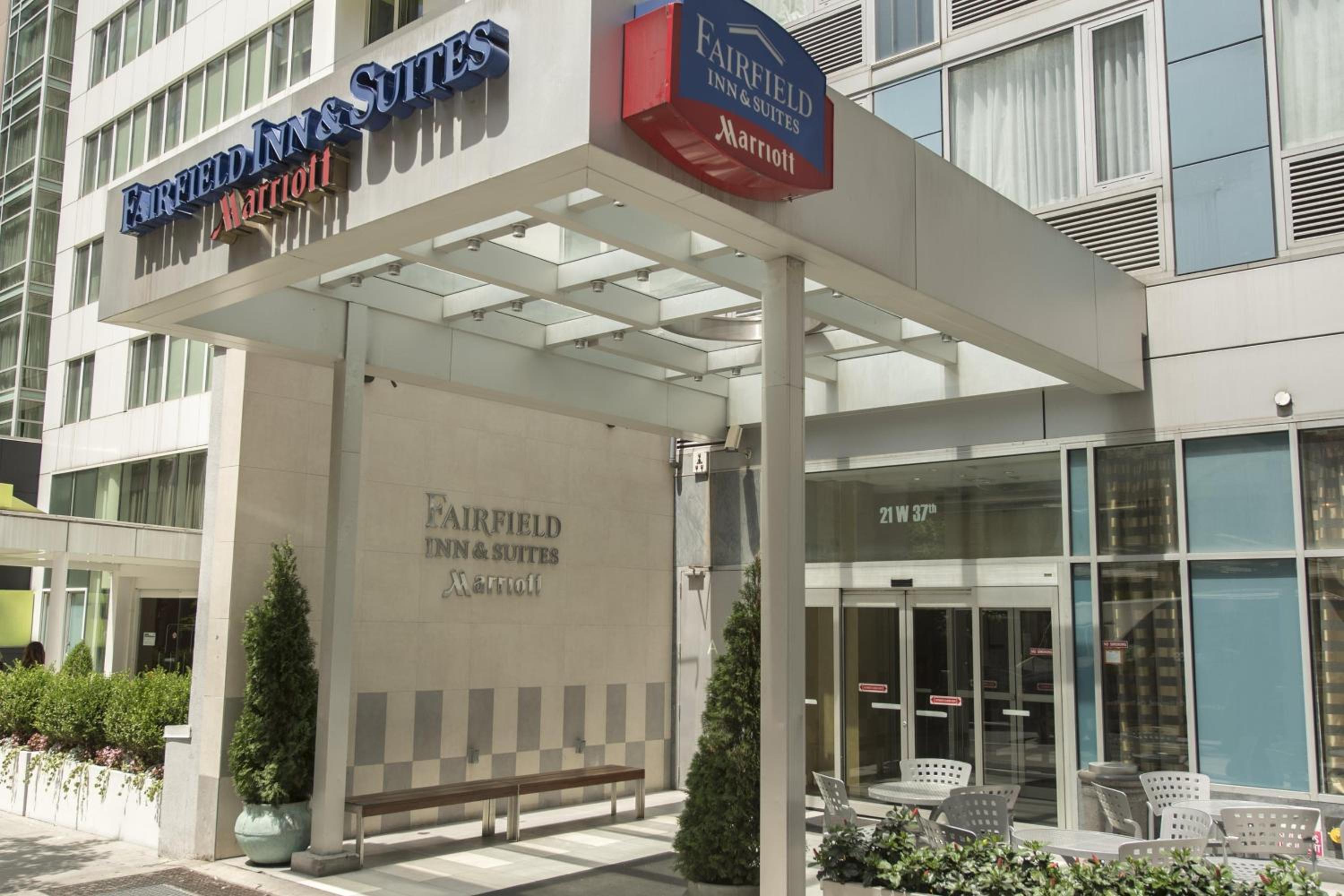
Fairfield Inn & Suites by Marriott New York Manhattan/Fifth Avenue
21 West 37th Street
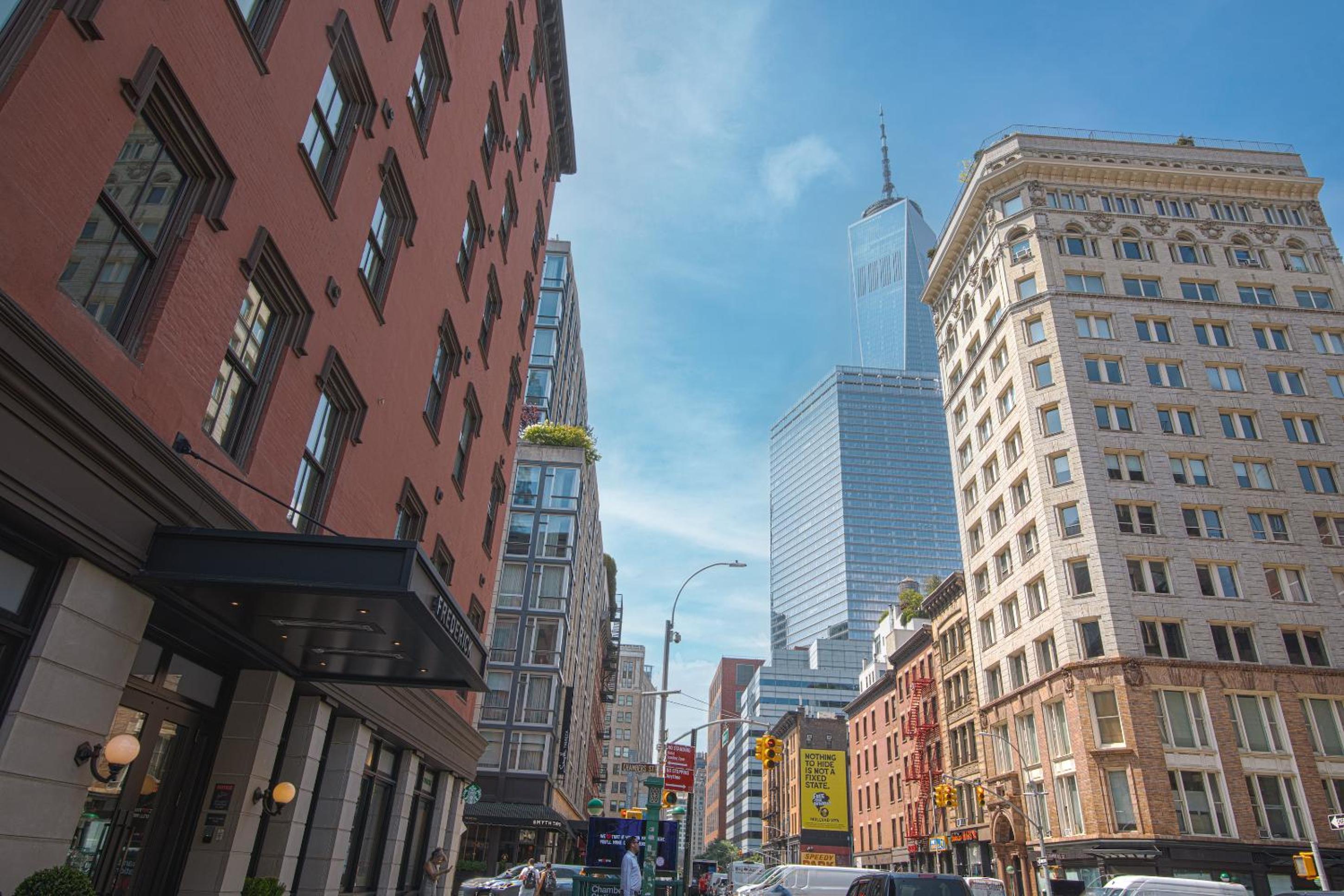
The Frederick Hotel Tribeca
95 West Broadway
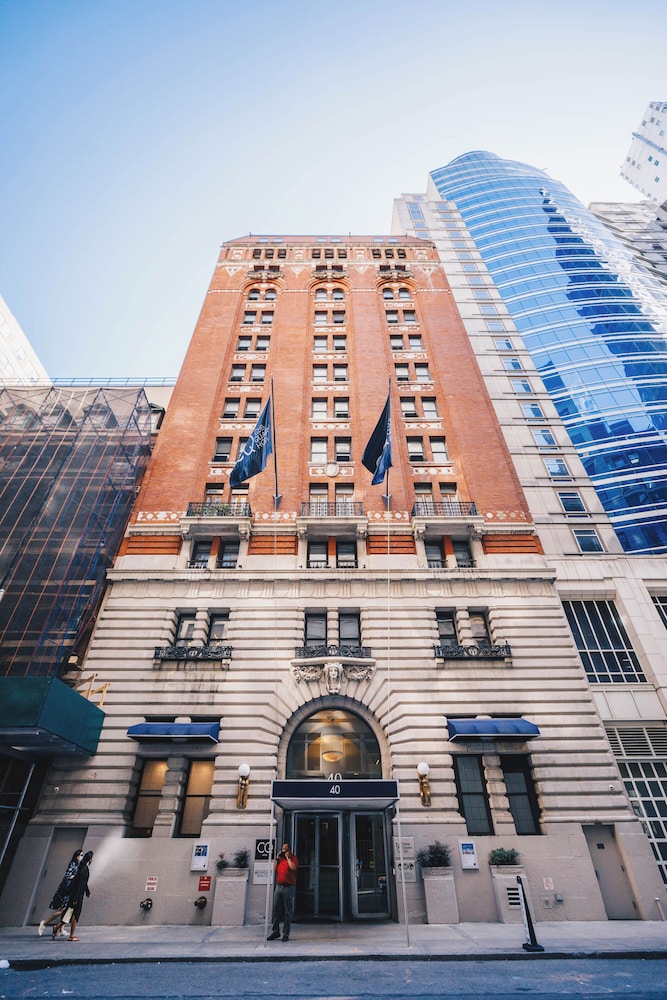
Club Quarters, Times Square - Midtown
40 W 45th St, New York, New York, 10036
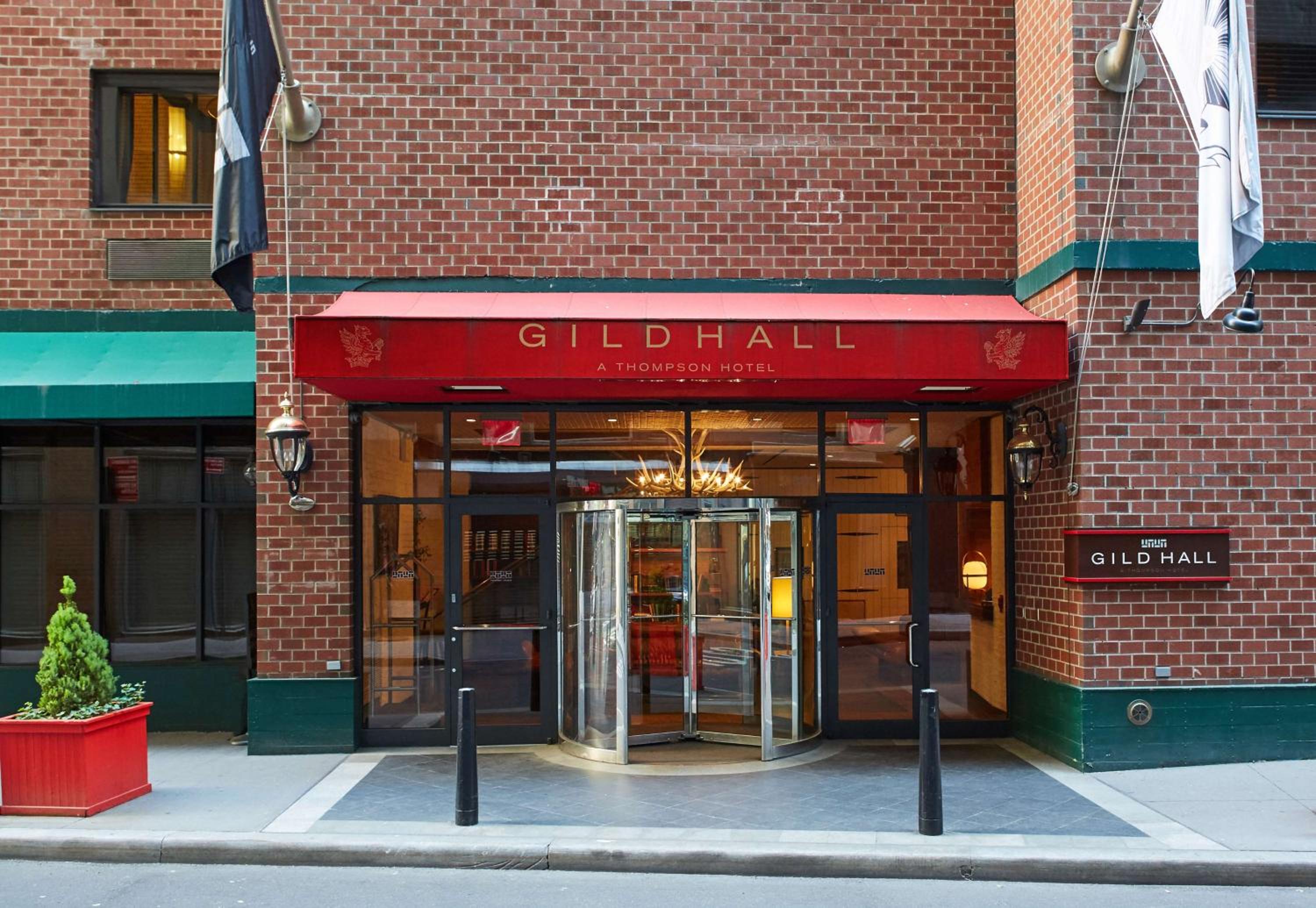
Gild Hall, A Thompson Hotel, by Hyatt
15 Gold Street
Stay in the loop
Travel deals, sustainability updates, and no spam. Ever.